
Energy monitoring is an essential component of smart home automation systems that can help manage energy consumption and reduce carbon footprint. With the increasing demand for energy-efficient solutions, the use of IoT-based devices in home automation and energy management has become more prevalent. The integration of energy monitoring systems in smart homes can provide real-time data on energy usage and help homeowners make informed decisions about their energy consumption.
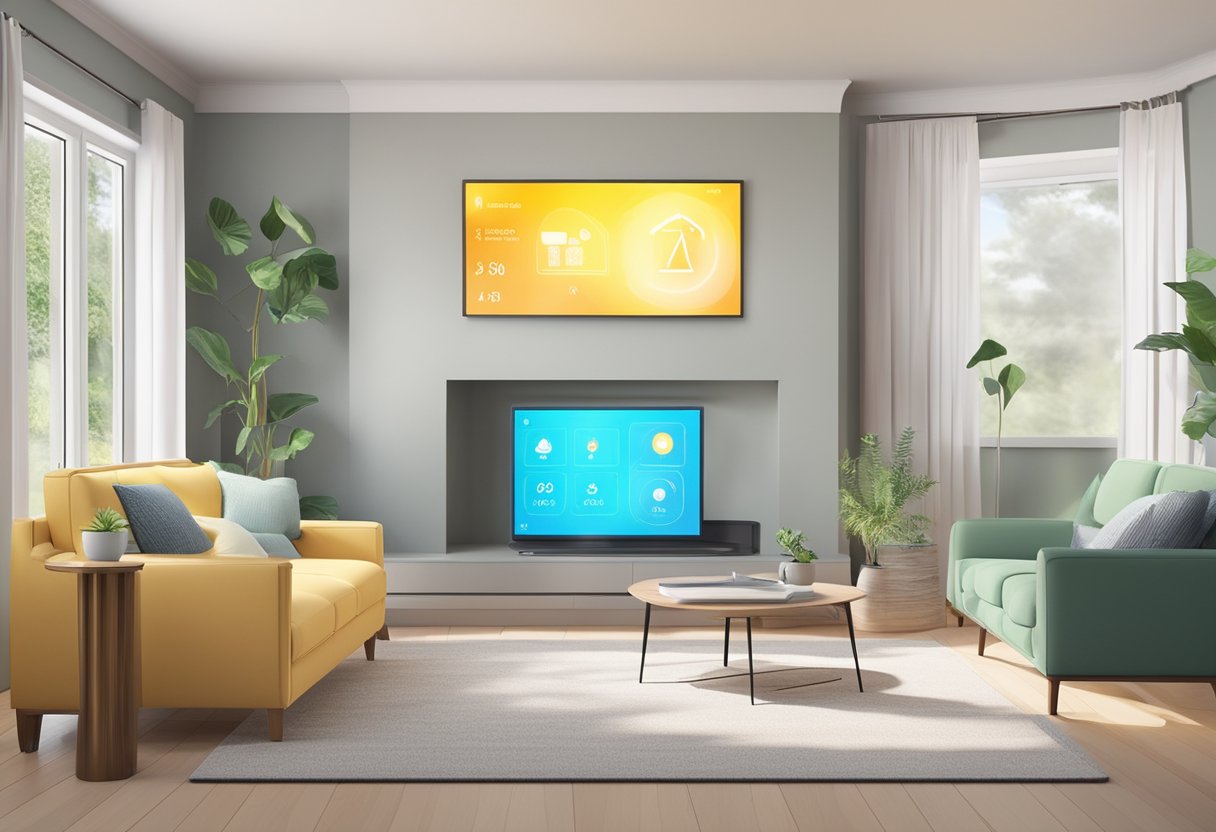
Smart home energy management systems can use machine-to-machine communication to revolutionize the way consumers consume energy and actively strive to minimize energy usage. The effective utilization of sensor data, communication technology, and protocols can help overcome the challenges in smart home automation and energy management. Computationally intelligent energy forecasting methods can also play a constructive role in tackling global climate change and preserving energy.
In summary, energy monitoring systems can help homeowners manage their energy consumption and reduce their carbon footprint. With the increasing demand for energy-efficient solutions, the integration of energy monitoring systems in smart homes has become more prevalent. The use of machine-to-machine communication and computation methods can help overcome the challenges in smart home automation and energy management.
Understanding Energy Monitoring
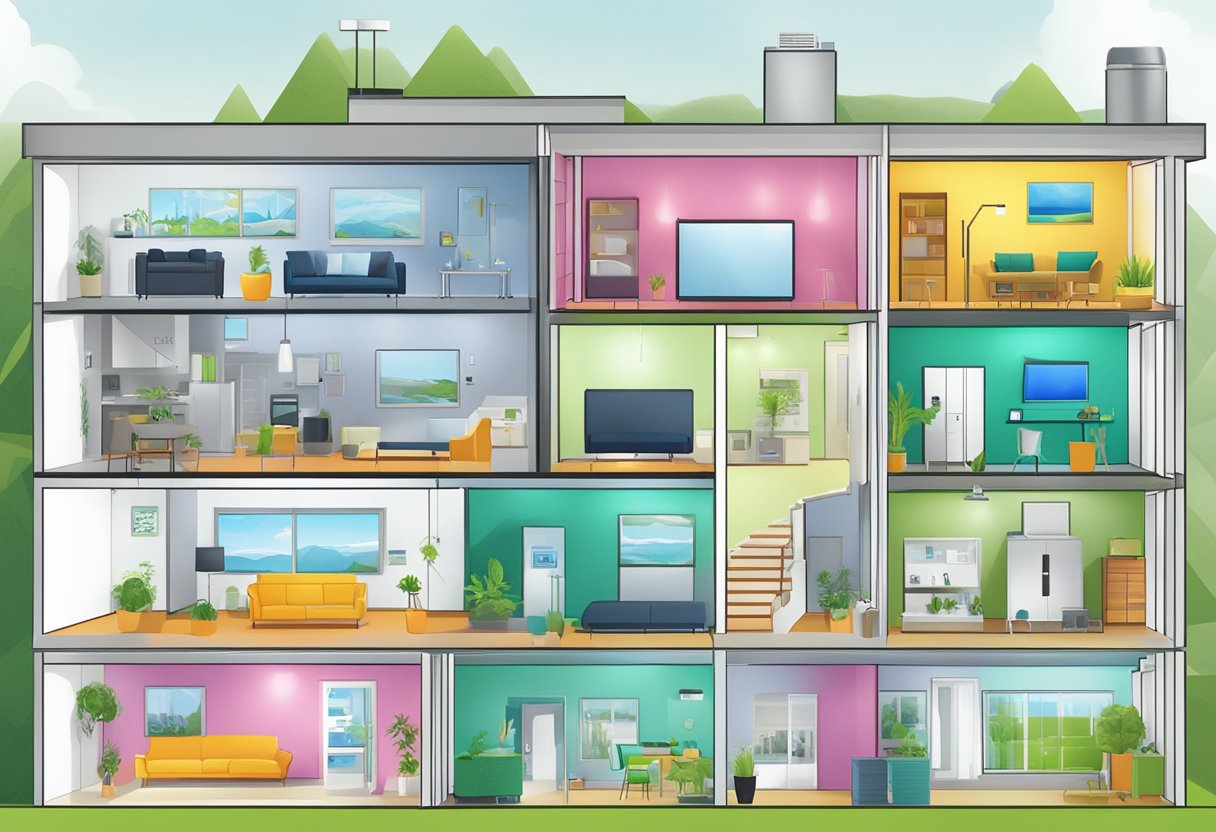
Energy monitoring plays a crucial role in smart home automation systems, where it enables homeowners to monitor their energy consumption and make informed decisions about their energy usage. Energy monitoring involves the use of sensors and other devices to track energy usage in real-time, providing homeowners with accurate information about their energy consumption patterns. This information can then be used to optimize energy usage, reduce energy waste, and ultimately lower energy bills.
Role in Climate Management
Energy monitoring can also play a significant role in climate management, as it allows homeowners to reduce their carbon footprint by optimizing their energy usage. By monitoring energy consumption patterns, homeowners can identify areas where energy is being wasted and take steps to reduce this waste. For example, they may choose to replace inefficient appliances with more energy-efficient models, or they may adjust their heating and cooling settings to reduce energy usage.
Influence on Energy Management
Energy monitoring can also have a significant impact on energy management, as it provides homeowners with the information they need to make informed decisions about their energy usage. By monitoring energy consumption patterns, homeowners can identify areas where they are using excessive amounts of energy and take steps to reduce this usage. For example, they may choose to turn off lights and appliances when not in use, or they may adjust their heating and cooling settings to reduce energy usage during peak hours.
Overall, energy monitoring is a critical component of smart home automation systems, as it enables homeowners to optimize their energy usage, reduce energy waste, and ultimately lower their energy bills. By monitoring energy consumption patterns, homeowners can make informed decisions about their energy usage, reduce their carbon footprint, and contribute to a more sustainable future.
Smart Home Automation Systems
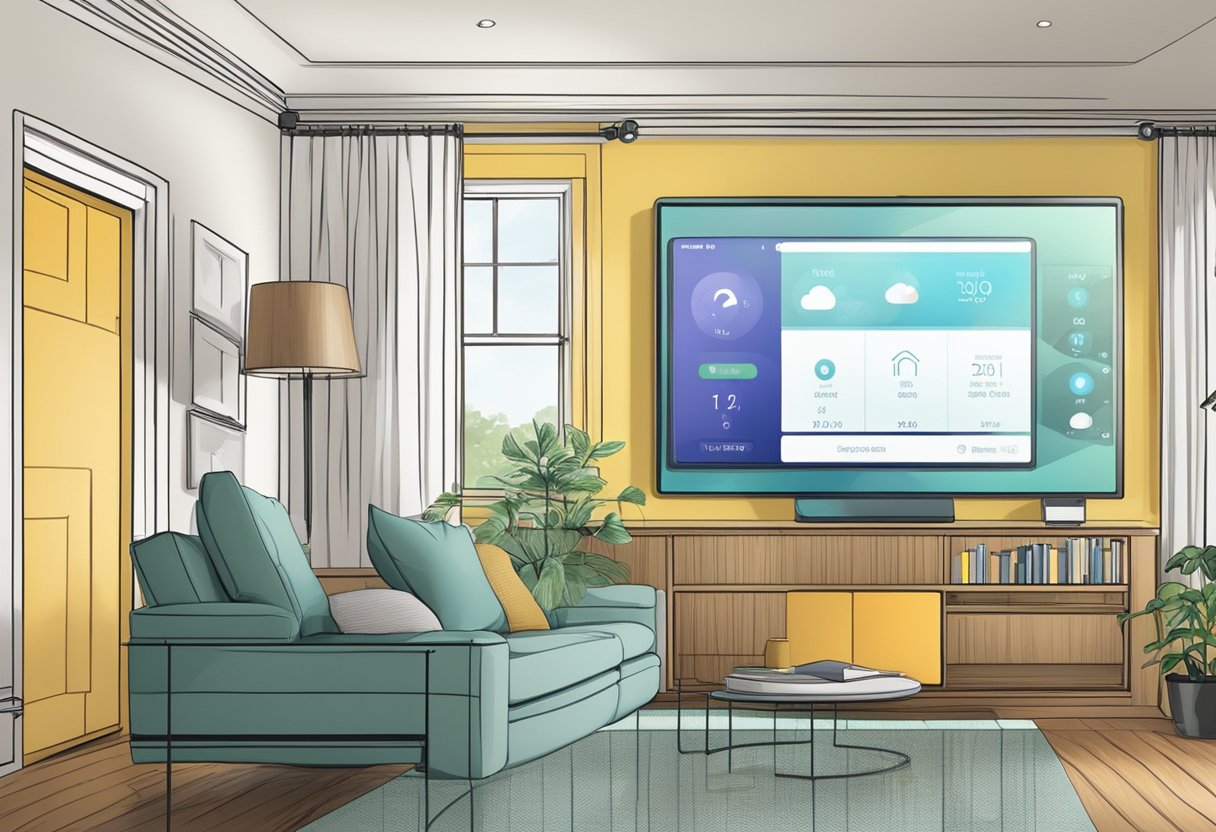
Smart home automation systems are technology-driven solutions that allow homeowners to control and automate various home devices and systems using a central hub. These systems are designed to provide convenience, comfort, and energy efficiency by enabling users to control devices such as lighting, HVAC, and security systems from a single application.
Integration with Energy Monitoring
One of the key features of smart home automation systems is their integration with energy monitoring. This integration enables homeowners to monitor and manage their energy consumption, which can result in significant energy savings. Smart home automation systems can be programmed to turn off lights and appliances when they are not in use, adjust the temperature of the home based on occupancy, and provide real-time energy usage data to homeowners.
Impacts on Climate and Energy Management
The integration of energy monitoring into smart home automation systems can have a significant impact on climate and energy management. By providing homeowners with real-time energy usage data, smart home automation systems can help them identify areas where they can reduce their energy consumption. This can lead to a reduction in greenhouse gas emissions and a more sustainable use of energy resources.
In addition, smart home automation systems can help homeowners manage their energy usage during peak demand periods. By automatically adjusting the temperature of the home or turning off non-essential appliances during peak demand periods, homeowners can help reduce the strain on the electrical grid and prevent blackouts.
Overall, smart home automation systems are a valuable tool for homeowners who are looking to reduce their energy consumption and improve their impact on the environment. By providing convenient and efficient control over home devices and systems, these systems can help homeowners save money on their energy bills and reduce their carbon footprint.
RELATED POSTS:
No comments:
Post a Comment