
.jpg)
HVAC integration for climate and energy management in smart home automation systems has become increasingly popular in recent years. As technology continues to advance, homeowners are looking for ways to make their homes more energy-efficient, secure, and convenient. HVAC integration is a key component of smart home automation systems that enables homeowners to control their heating, ventilation, and air conditioning systems remotely.
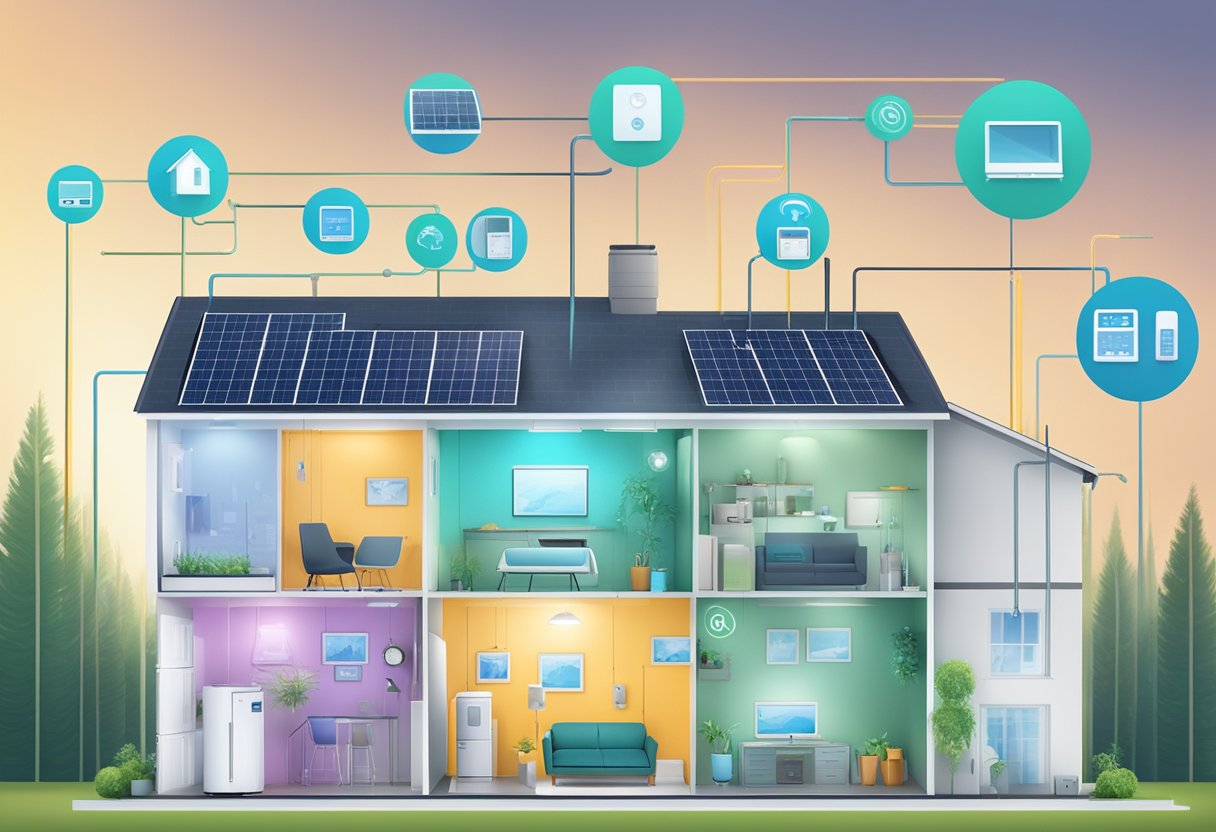
Smart home automation systems that incorporate HVAC integration offer several advantages. They allow homeowners to adjust the temperature of their homes remotely, which can help them save money on energy bills. They also enable homeowners to control the temperature of individual rooms, which can help them achieve optimal comfort levels. Additionally, HVAC integration can help homeowners improve the air quality in their homes by allowing them to monitor and control humidity levels, air circulation, and air filtration.
Overall, HVAC integration for climate and energy management in smart home automation systems is a valuable investment for homeowners looking to improve the comfort, energy efficiency, and security of their homes. With the ability to control their HVAC systems remotely, homeowners can enjoy greater convenience and peace of mind, while also reducing their energy consumption and costs.
HVAC Integration for Climate Management
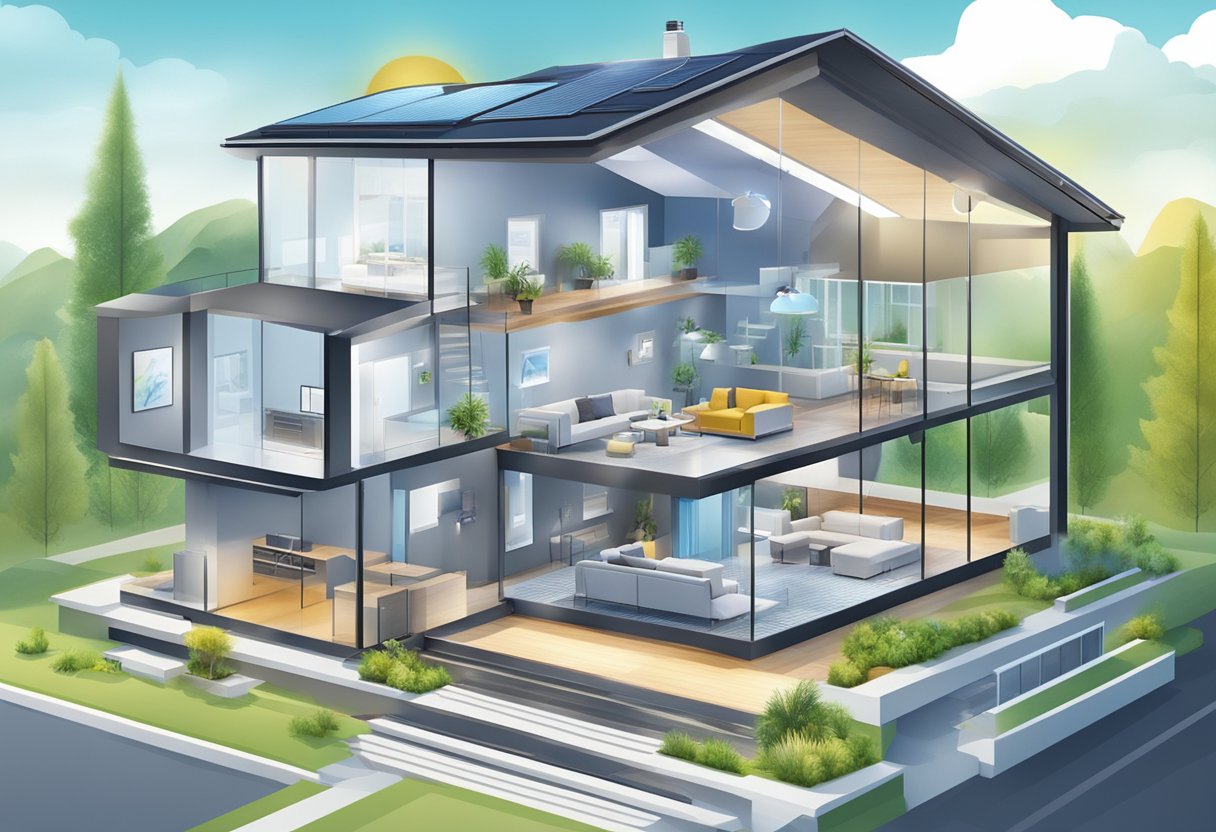
Smart home automation systems offer a range of benefits, including energy efficiency, convenience, and improved climate control. HVAC integration is a key component of these systems, allowing homeowners to manage their home's climate control systems more effectively. This section discusses the role of HVAC in climate management and understanding climate control in smart homes.
Understanding Climate Control in Smart Homes
Smart homes use a range of sensors and devices to monitor and control the indoor environment. These devices include temperature sensors, humidity sensors, and air quality sensors. They work together to provide real-time data on the indoor climate, allowing homeowners to make informed decisions about their HVAC systems.
Smart thermostats are an essential component of climate control in smart homes. They allow homeowners to set temperatures, schedules, and control their HVAC systems remotely. Smart thermostats can also learn from homeowners' preferences and adjust the temperature accordingly.
Role of HVAC in Climate Management
HVAC systems play a critical role in maintaining a comfortable indoor environment. They regulate temperature, humidity, and air quality, ensuring that the indoor climate is optimal for occupants. HVAC integration in smart homes allows homeowners to manage their HVAC systems more effectively, reducing energy consumption and improving comfort.
Smart HVAC systems offer a range of benefits, including energy efficiency, improved comfort, and reduced maintenance costs. They can also integrate with other smart home devices, such as voice assistants and smart home platforms, enabling voice control and automation.
In summary, HVAC integration is a critical component of climate management in smart homes. It allows homeowners to manage their HVAC systems more effectively, reducing energy consumption and improving comfort. By understanding the role of HVAC in climate management and the benefits of smart HVAC systems, homeowners can make informed decisions about their home's climate control systems.
HVAC Integration for Energy Management

HVAC integration in smart home automation systems plays a crucial role in energy management and increasing energy efficiency. By integrating HVAC systems with other building automation systems, homeowners can optimize their energy consumption and reduce their carbon footprint. This section will discuss the energy efficiency in smart homes and the role of HVAC in energy management.
Energy Efficiency in Smart Homes
Smart homes are designed to optimize energy efficiency and reduce energy consumption. With the integration of various building automation systems, homeowners can monitor and control their energy usage. Smart homes use sensors and automation systems to adjust energy usage based on occupancy, weather conditions, and other factors. For instance, smart homes use lighting automation to turn off lights when no one is in the room, and heating and cooling automation to adjust the temperature based on occupancy and weather conditions.
Role of HVAC in Energy Management
HVAC systems account for a significant portion of a home's energy consumption. By integrating HVAC systems with other building automation systems, homeowners can optimize their energy consumption and reduce their carbon footprint. HVAC integration allows homeowners to monitor and control their heating and cooling systems remotely. For instance, homeowners can adjust the temperature of their home using their smartphone or tablet, even when they are away from home. This feature helps homeowners save energy by adjusting the temperature based on occupancy and weather conditions.
In addition, HVAC integration enables homeowners to optimize their energy usage by detecting and addressing issues with their HVAC systems. For instance, HVAC integration can detect when a filter needs to be changed or when a system needs maintenance. By addressing these issues promptly, homeowners can optimize their energy usage and reduce their energy bills.
Overall, HVAC integration plays a crucial role in energy management in smart home automation systems. By integrating HVAC systems with other building automation systems, homeowners can optimize their energy consumption and reduce their carbon footprint.
RELATED POSTS:
No comments:
Post a Comment