

Light strips are an increasingly popular option for homeowners who want to add a touch of ambiance to their living spaces. These strips are an effective way to control lighting in a smart home automation system, allowing homeowners to create different moods and settings with ease. Light strips can be used in a variety of ways, from highlighting architectural features to creating a cozy atmosphere in a bedroom or living room.
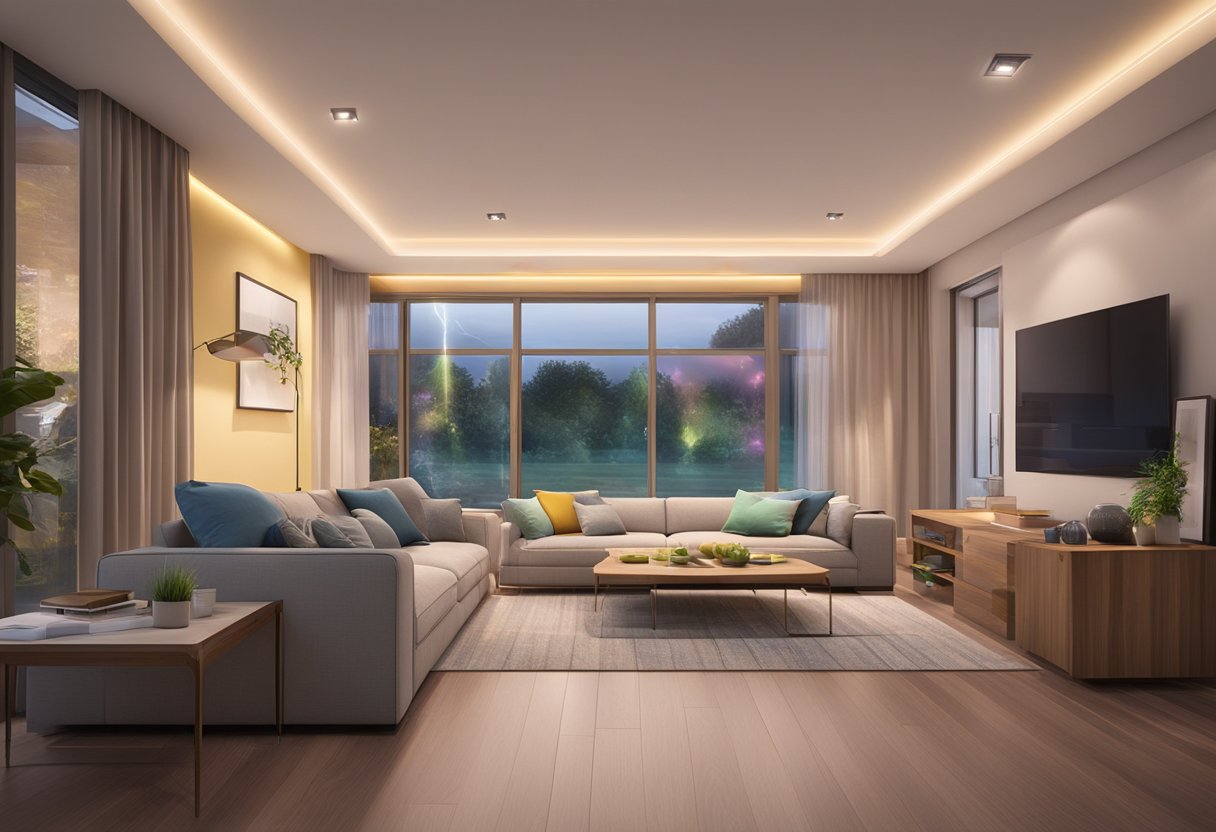
One of the biggest advantages of light strips is their flexibility. They can be cut to any length, making them suitable for use in spaces of any size. They can also be installed in a variety of locations, from under cabinets to along staircases, and can be controlled with a variety of devices, including smartphones, tablets, and voice assistants. With the right setup, homeowners can even program their light strips to turn on and off automatically, based on their daily routines.
Overall, light strips are a versatile and effective solution for homeowners who want to add a touch of style and sophistication to their living spaces. Whether they are used to highlight architectural features or to create a cozy atmosphere, light strips are an excellent choice for anyone looking to take their smart home automation system to the next level.
Understanding Light Strips
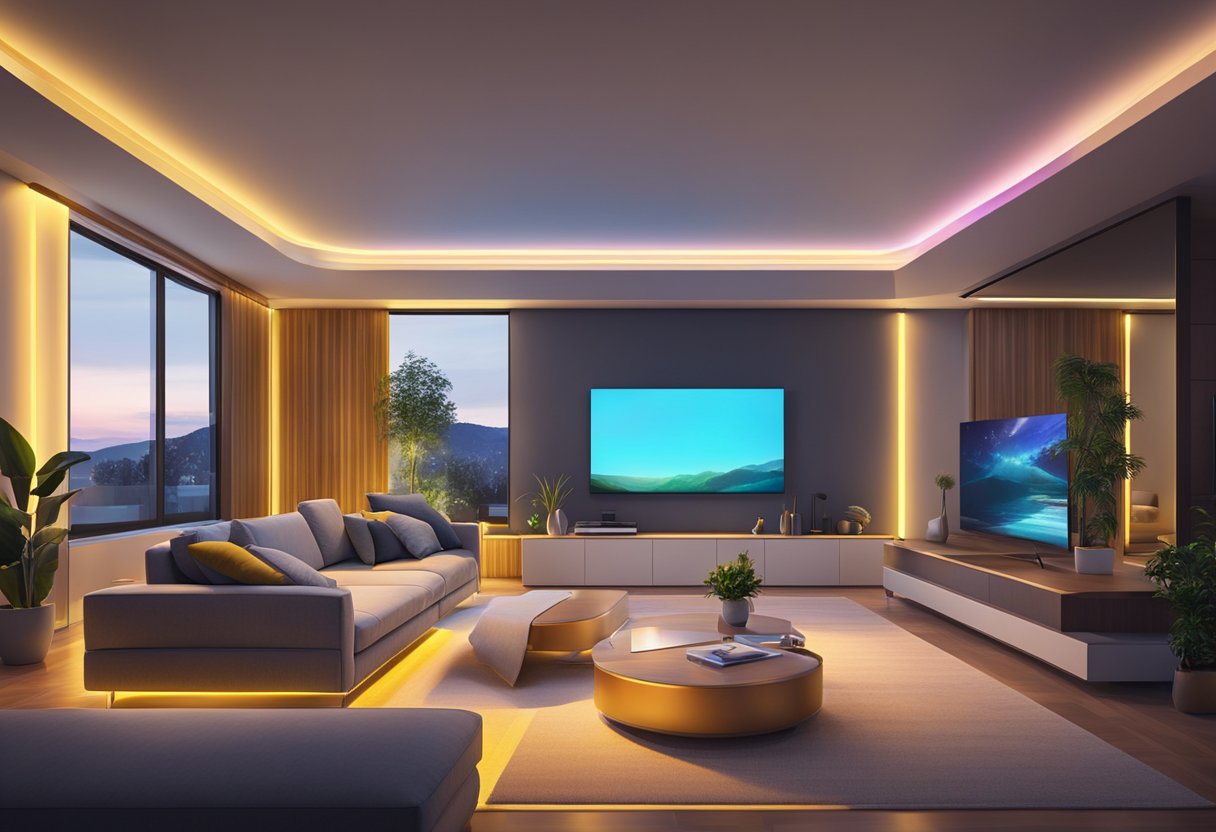
Light strips are a versatile and popular lighting solution for smart home automation systems. They consist of a flexible circuit board with LED lights that can be cut to size and attached to any surface. Light strips are available in various lengths, colors, and features, making them suitable for a wide range of applications.
One of the main advantages of light strips is their flexibility. They can be bent and shaped to fit any surface, making them ideal for under-cabinet lighting, accent lighting, and mood lighting. They can also be used to create dynamic lighting effects, such as color-changing and patterned lighting.
Light strips are typically controlled by a smart home automation system, which allows users to turn them on and off, adjust their brightness, and change their colors. Some light strips also come with additional features, such as motion sensors, timers, and voice control.
When choosing light strips for a smart home automation system, it is important to consider the following factors:
- Length: Light strips come in various lengths, so it is important to choose the right size for the intended application.
- Color: Light strips are available in a range of colors, including RGB (red, green, blue) and white. RGB light strips can produce millions of colors, while white light strips can be warm or cool.
- Brightness: Light strips have different brightness levels, so it is important to choose the right level for the intended application.
- Compatibility: Light strips must be compatible with the smart home automation system being used. It is important to check the specifications of both the light strips and the automation system to ensure compatibility.
Overall, light strips are a versatile and effective lighting solution for smart home automation systems. They offer flexibility, dynamic lighting effects, and easy control through a smart home automation system.
Smart Home Automation Systems
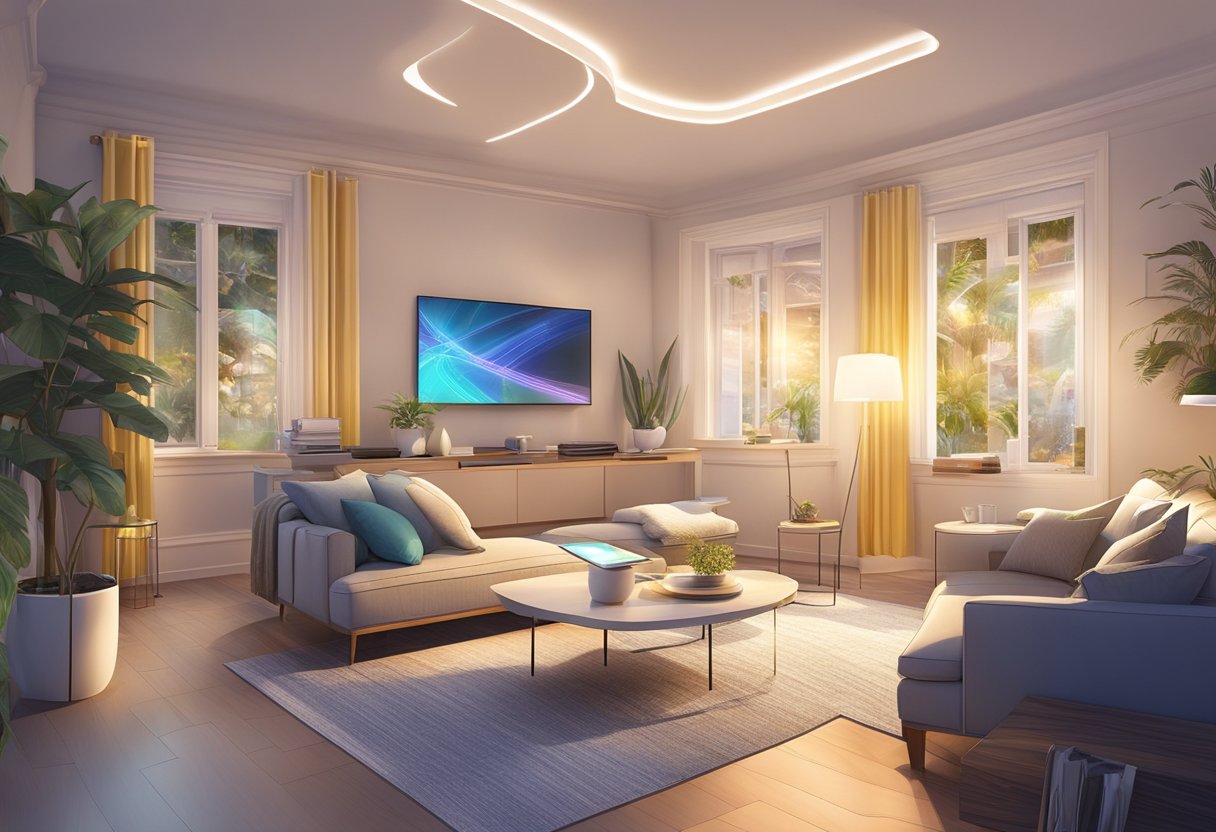
Smart home automation systems are becoming increasingly popular as technology advances, and light strips are an essential component of these systems. Light strips are an excellent way to add ambiance and functionality to a room, and they can be seamlessly integrated into a smart home automation system.
Role of Light Strips
Light strips can be used for a variety of purposes in a smart home automation system. They can be used to create mood lighting, accent lighting, or even task lighting. For example, a light strip can be installed under kitchen cabinets to provide task lighting for meal preparation. Alternatively, a light strip can be used to create a relaxing ambiance in a living room or bedroom.
One of the benefits of light strips is that they are flexible and can be cut to fit any size or shape. This makes them ideal for use in tight spaces or unusual shapes. Additionally, light strips come in a variety of colors, allowing homeowners to create a custom lighting scheme that fits their personal style.
Integration Process
Integrating light strips into a smart home automation system is a straightforward process. Most light strips come with a controller that can be connected to a smart hub or voice assistant. Once connected, the light strip can be controlled using a smartphone app or voice commands.
It is essential to ensure that the light strip is compatible with the smart home automation system being used. Homeowners should check the specifications of both the light strip and the smart hub or voice assistant to ensure compatibility.
In conclusion, light strips are an essential component of a smart home automation system. They can be used for a variety of purposes and can be seamlessly integrated into a smart home automation system. Homeowners should ensure that the light strip they choose is compatible with their smart home automation system and that they follow the manufacturer's installation instructions.
RELATED POSTS:
SmartBulbs:The ultimate lightning control solution for smart home
No comments:
Post a Comment