

Motion-activated lighting has become a popular feature in smart home automation systems. With the advancement in technology, homeowners can now control their lighting systems through their smartphones, tablets, or voice assistants. Motion-activated lighting is a lighting control solution that uses motion sensors to detect movement in a room and turn on the lights automatically. This feature is not only convenient but also energy-efficient as it ensures that lights are only on when needed, reducing energy consumption and costs.

Smart home automation systems offer a variety of lighting control solutions to homeowners. From single-lamp timers to central controllers that can operate, manipulate, and program lights and lighting schemes around the home. However, motion-activated lighting is one of the most popular lighting control solutions due to its convenience and energy efficiency. Homeowners can customize the motion-activated lighting feature to their liking, such as setting the duration of time the lights stay on after motion is detected and adjusting the sensitivity of the motion sensor.
Motion-activated lighting is not only a convenient and energy-efficient lighting control solution but also a safety feature. It can deter intruders by giving the impression that someone is home, even when the homeowner is away. Additionally, it can prevent accidents by providing illumination in areas such as hallways and staircases, reducing the risk of falls. As technology continues to advance, motion-activated lighting will likely become an even more integral part of smart home automation systems.
Understanding Motion-Activated Lighting
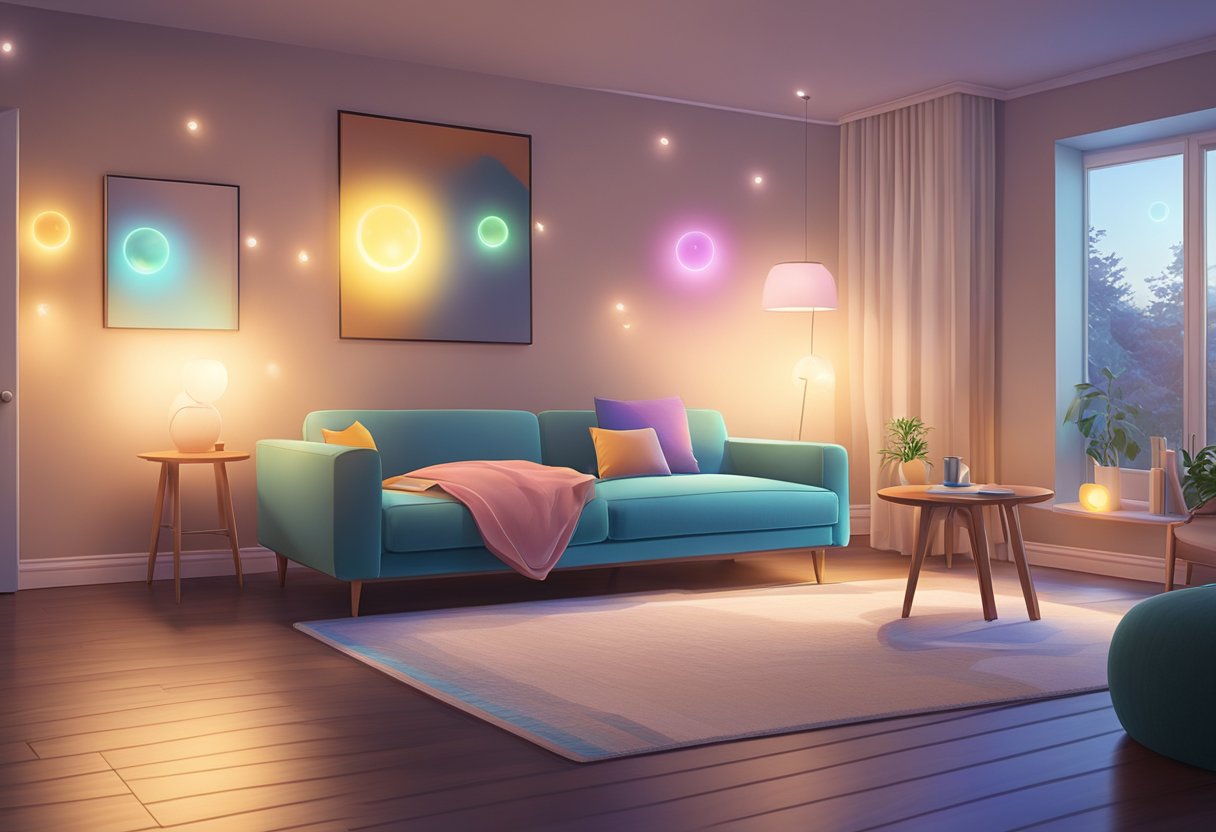
Motion-activated lighting is a type of lighting control system that uses sensors to detect the presence of people or objects in a specific area. When a sensor detects motion, it triggers the lights to turn on automatically, and when the motion stops, the lights turn off.
This type of lighting control system is becoming increasingly popular in smart home automation systems because it offers several benefits. For example, it can help to save energy by ensuring that lights are only on when they are needed. It can also improve home security by illuminating areas when motion is detected.
There are different types of motion sensors used in motion-activated lighting systems, including passive infrared (PIR) sensors, ultrasonic sensors, and microwave sensors. PIR sensors are the most common type and work by detecting changes in heat signatures. Ultrasonic sensors use sound waves to detect motion, while microwave sensors use radio waves.
Motion-activated lighting can be used in a variety of settings, including homes, offices, and public spaces. In homes, it can be used to automatically turn on lights in hallways, bathrooms, and other areas where motion is detected. In offices, it can be used to save energy by turning off lights in areas that are not being used. In public spaces, it can be used to enhance security by illuminating dark areas when motion is detected.
Overall, motion-activated lighting is an effective and convenient lighting control solution that can help to save energy, improve security, and enhance the overall functionality of a smart home automation system.
Applications in Smarthome Automation Systems
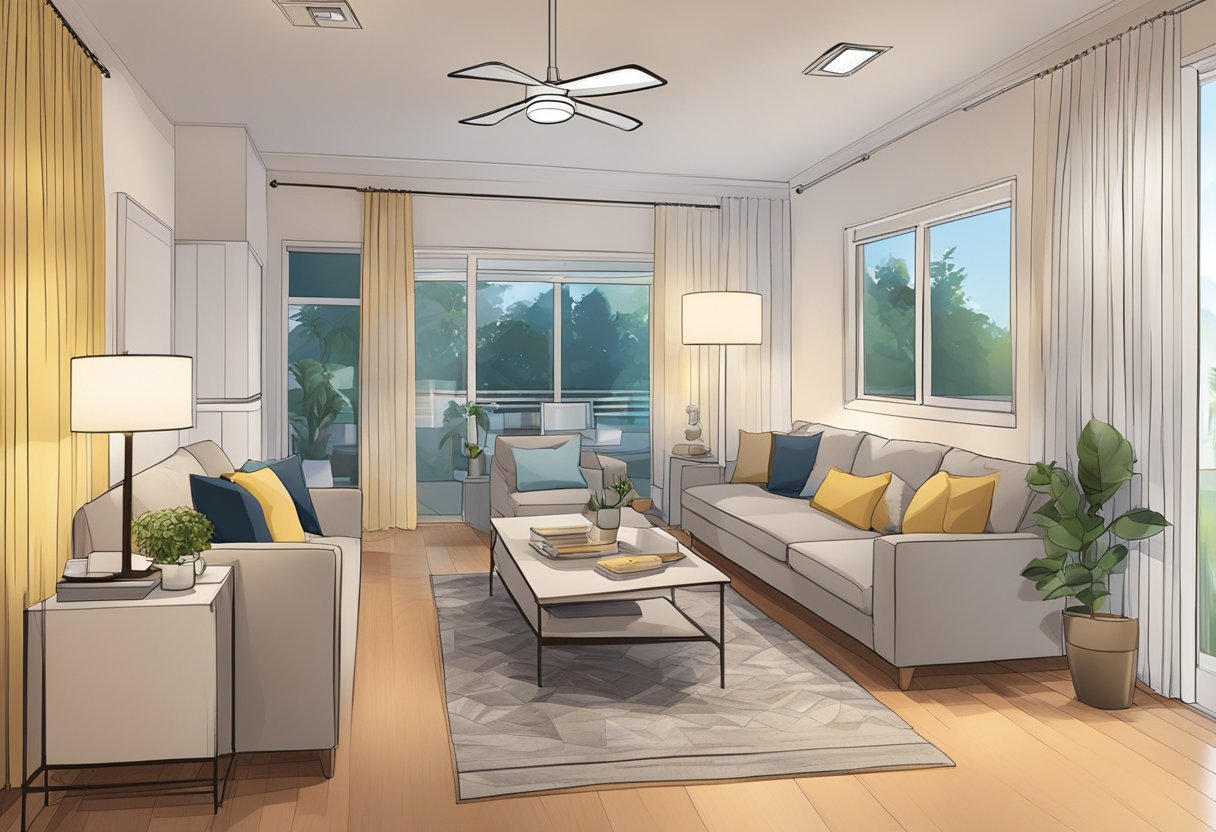
Smarthome automation systems have become increasingly popular in recent years due to their ability to enhance security, increase energy efficiency, and provide convenience and accessibility to homeowners. One of the most useful applications of smarthome automation systems is motion-activated lighting, which can be used to control lighting in a variety of settings.
Security Enhancement
Motion-activated lighting is an excellent way to enhance security in a smarthome automation system. By installing motion sensors in key areas of the home, such as entryways, hallways, and staircases, homeowners can ensure that their home is well-lit at all times. This not only deters potential intruders but also provides peace of mind for homeowners who may be concerned about their safety.
Energy Efficiency
Another benefit of motion-activated lighting in a smarthome automation system is increased energy efficiency. By using motion sensors to control lighting, homeowners can ensure that lights are only turned on when they are needed. This can help to reduce energy consumption and lower electricity bills. Additionally, many motion-activated lighting systems can be programmed to turn off automatically after a certain amount of time, further reducing energy waste.
Convenience and Accessibility
Finally, motion-activated lighting can provide convenience and accessibility for homeowners. By automating lighting control, homeowners can easily turn lights on and off without having to physically touch a switch. This can be particularly useful for individuals with mobility issues or disabilities. Additionally, motion-activated lighting can be integrated with other smarthome automation systems, such as voice control or smartphone apps, to provide even greater convenience and accessibility.
In summary, motion-activated lighting is a valuable application of smarthome automation systems. By enhancing security, increasing energy efficiency, and providing convenience and accessibility, motion-activated lighting can help homeowners to create a safer, more comfortable, and more efficient living environment.
Challenges and Solutions in Implementation
Installation Issues
One of the main challenges in implementing motion-activated lighting systems is the installation process. This can be especially difficult in existing homes where the wiring may not be compatible with the new system. In some cases, it may be necessary to rewire the entire house to accommodate the new lighting system. This can be time-consuming and expensive.
One solution to this problem is to use wireless motion sensors. These sensors can be installed without the need for wiring, making the installation process much simpler. Wireless sensors can also be placed in areas that are difficult to access, such as high ceilings or tight spaces.
Another solution is to use battery-powered sensors. These sensors can be placed anywhere, and they do not require any wiring or electrical work. However, battery-powered sensors will need to have their batteries replaced periodically.
Sensor Sensitivity
Another challenge with motion-activated lighting systems is the sensitivity of the sensors. If the sensors are not sensitive enough, they may not detect movement, and the lights will not turn on. On the other hand, if the sensors are too sensitive, the lights may turn on unnecessarily, wasting energy.
One solution to this problem is to use adjustable sensors. These sensors can be adjusted to be more or less sensitive, depending on the needs of the homeowner. Another solution is to use sensors that can detect the difference between human movement and other types of movement, such as pets or passing cars. This can help reduce false alarms and unnecessary energy consumption.
Overall, while there are challenges to implementing motion-activated lighting systems, there are also solutions that can make the process easier and more effective. By choosing the right sensors and installation methods, homeowners can enjoy the benefits of smart lighting without the hassle.
Future Trends and Developments
Motion-activated lighting is an essential part of smart home automation systems. As technology advances, it is expected that motion-activated lighting will become even more sophisticated and efficient. Here are some of the future trends and developments that we can expect to see in motion-activated lighting:
Integration with Artificial Intelligence
One of the most significant trends in motion-activated lighting is the integration with artificial intelligence (AI). AI technology can learn from the patterns of human behavior and adjust the lighting accordingly. For example, if a person typically enters a room at a certain time of day, the AI can turn on the lights before they enter. This integration can lead to more efficient energy usage and a more personalized experience for the user.
Wireless Technology
Wireless technology is another trend that is expected to continue in motion-activated lighting. Wireless sensors can be placed throughout a home, eliminating the need for wires and making installation easier. This technology can also allow for more flexibility in the placement of sensors, making it easier to adjust the lighting in a room.
Voice Control
Voice control is becoming increasingly popular in smart home automation systems, and it is expected that motion-activated lighting will also be integrated with this technology. With voice control, users can easily adjust the lighting in a room without having to physically interact with a switch or sensor.
Data Analytics
Data analytics can also play a significant role in the future of motion-activated lighting. By analyzing data on energy usage and user behavior, lighting systems can become even more efficient. For example, if a room is rarely used, the lighting system can adjust the energy usage accordingly.
As technology continues to advance, it is clear that motion-activated lighting will become even more sophisticated and efficient. By integrating with AI, wireless technology, voice control, and data analytics, motion-activated lighting will continue to provide a personalized and efficient experience for users.
RELATED POSTS:
SmartBulbs:The ultimate lightning control solution for smart home
No comments:
Post a Comment