

Smart home automation systems have revolutionized the way people interact with their homes. One of the primary features of smart homes is the ability to control lighting. Smart bulbs are a crucial component of any smart lighting system. These bulbs allow homeowners to control the brightness, color, and even the schedule of their lights through a smartphone app or voice commands.
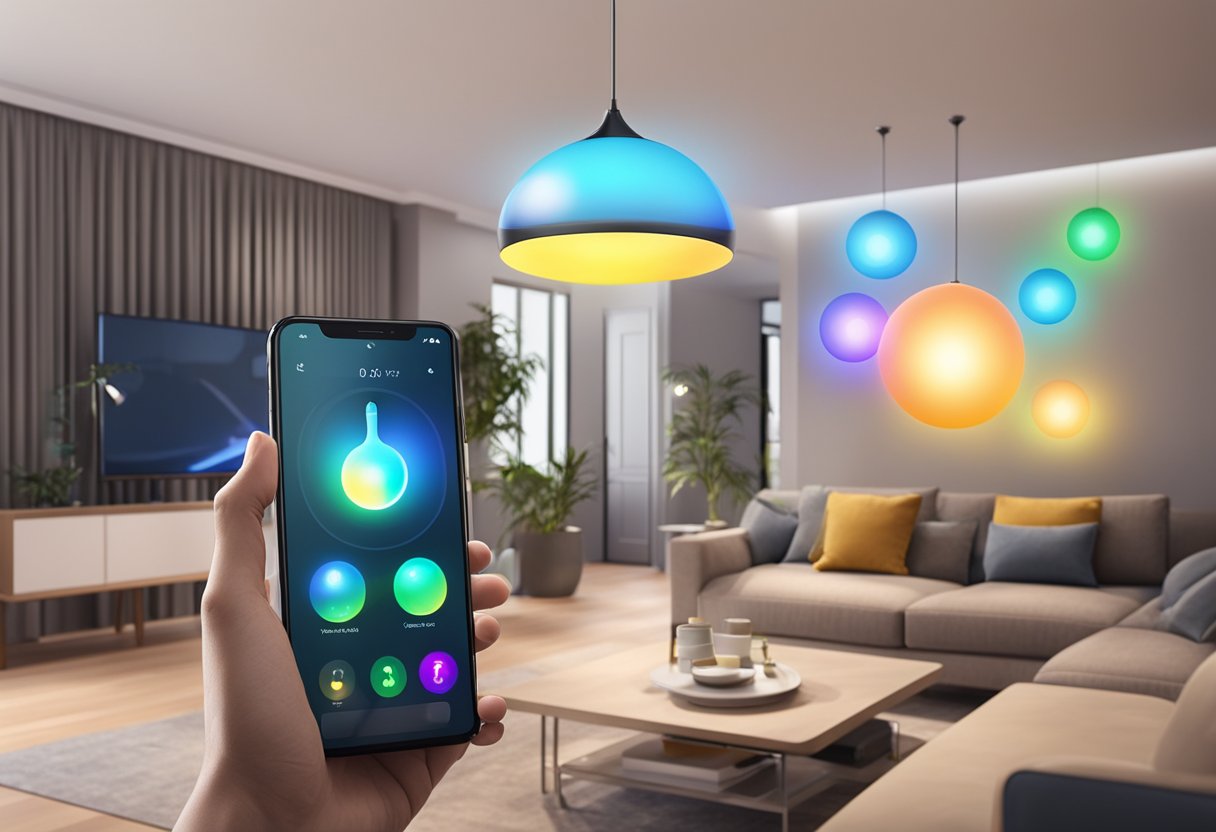
Smart bulbs are an excellent solution for homeowners who want to have more control over their lighting. They can be programmed to turn on and off at specific times, which can help save energy and money. Additionally, they can be set to different colors and brightness levels, which can help set the mood in a room. Smart bulbs are also compatible with a wide range of smart home devices, such as Amazon Alexa and Google Home, which makes controlling them even easier.
Overall, smart bulbs are an essential component of any smart home automation system. They offer homeowners the ability to control their lighting in ways that were previously impossible. With the ability to schedule, dim, and change the color of their lights, homeowners can create the perfect ambiance for any occasion. Smart bulbs are an investment that can help save energy and money while also providing convenience and comfort.
Understanding Smart Bulbs
Smart bulbs are an essential component of a smart home automation system that allows homeowners to control their home's lighting from anywhere in the world using a mobile device or voice commands. In this section, we will discuss the evolution and technology behind smart bulbs and the different types of smart bulbs available in the market.
Evolution and Technology
Smart bulbs have come a long way since their inception. The first smart bulbs were introduced in the early 2000s, and they were expensive and had limited functionality. However, with advancements in technology, smart bulbs have become more affordable and feature-rich.
Smart bulbs work by connecting to a home's Wi-Fi network or pairing with a smartphone or home automation hub using Bluetooth. This connection allows users to control the bulbs from their smartphone or through voice commands using a compatible virtual assistant. The bulbs can be set to turn on or off at specific times or triggered by motion sensors or other smart home devices.
Types of Smart Bulbs
There are three main types of smart bulbs available in the market: Wi-Fi, Bluetooth, and Zigbee. Wi-Fi bulbs connect directly to a home's Wi-Fi network, while Bluetooth bulbs connect to a smartphone or tablet. Zigbee bulbs require a hub that connects to the home's Wi-Fi network.
Wi-Fi bulbs are the most popular type of smart bulb as they are easy to set up and do not require any additional hardware. They are also compatible with most smart home automation systems. However, they can be more expensive than Bluetooth or Zigbee bulbs.
Bluetooth bulbs are the most affordable type of smart bulb and are ideal for users who want to control their lighting from their smartphone or tablet. However, they have limited range and require the user to be in close proximity to the bulb to control it.
Zigbee bulbs are the most reliable type of smart bulb as they use a mesh network that allows the bulbs to communicate with each other, even if one of the bulbs is out of range of the hub. However, they require a hub, which can be an additional expense.
In conclusion, smart bulbs are an excellent addition to a smart home automation system as they allow homeowners to control their lighting from anywhere in the world using a mobile device or voice commands. The evolution and technology behind smart bulbs have made them more affordable and feature-rich, and there are different types of smart bulbs available in the market to suit different needs and budgets.
Lightning Control Solutions
Smart bulbs are a key component of any smart home automation system. They offer a range of benefits, including energy efficiency, convenience, and security.
Role in Energy Efficiency
One of the primary benefits of smart bulbs is their ability to help homeowners save energy. With the ability to control the brightness and color temperature of their lights, users can adjust their lighting to match their needs throughout the day. For example, they can set their lights to be brighter during the day and dimmer at night. They can also adjust the color temperature of their lights to match the time of day, which can help regulate their circadian rhythm.
Smart bulbs can also be programmed to turn off automatically when no one is in the room, which can help reduce energy waste. In addition, some smart bulbs are compatible with energy monitoring systems, which can provide users with real-time data on their energy usage.
Integration with Other Devices
Smart bulbs can be integrated with a wide range of other smart home devices, including voice assistants, smart thermostats, and security systems. This allows users to control their lighting with their voice or through an app on their smartphone or tablet.
For example, users can set their lights to turn on automatically when they enter a room, or to turn off when they leave. They can also set their lights to turn on gradually in the morning, simulating a sunrise, which can help them wake up more naturally.
Smart bulbs can also be used to enhance home security. They can be programmed to turn on automatically when the user is away from home, which can help deter burglars. They can also be set to turn on and off randomly, giving the impression that someone is home even when they are not.
Overall, smart bulbs are a versatile and convenient solution for lighting control in smart home automation systems. With their ability to save energy, enhance security, and integrate with other devices, they are a valuable addition to any smart home.
Smart Home Automation Systems
Smart home automation systems have become increasingly popular in recent years, offering homeowners the convenience of controlling their homes with the touch of a button. One of the key components of smart home automation systems is smart bulbs, which allow homeowners to control their lighting remotely and easily.
Importance of Smart Bulbs
Smart bulbs offer a range of benefits for homeowners. Firstly, they allow homeowners to control their lighting remotely, which can be particularly useful when away from home. For example, homeowners can turn on their lights remotely to make it look like someone is home, deterring potential burglars. Smart bulbs can also be programmed to turn on and off at specific times, making it easier for homeowners to manage their lighting and save energy.
Another benefit of smart bulbs is that they can be controlled using voice commands. This means that homeowners can turn their lights on and off without having to use their hands, which can be particularly useful for those with mobility issues. Some smart bulbs can also be programmed to change color, allowing homeowners to create different moods and atmospheres in their homes.
Future Trends
As smart home automation systems continue to evolve, it is likely that we will see even more advanced smart bulbs in the future. For example, we may see smart bulbs that can be controlled using gestures, or bulbs that can detect when someone enters a room and turn on automatically.
Another trend that is likely to emerge is the integration of smart bulbs with other smart home devices. For example, homeowners may be able to set their smart bulbs to turn on when their smart doorbell detects motion, or to turn off when their smart thermostat detects that they have left the house.
Overall, smart bulbs are an important component of smart home automation systems, offering homeowners a range of benefits and convenience. As technology continues to evolve, it is likely that we will see even more advanced smart bulbs that further enhance the smart home experience.
RELATED POSTS:
SmartBulbs:The ultimate lightning control solution for smart home
No comments:
Post a Comment