

Smart displays have become increasingly popular in recent years as more people adopt smart home automation systems. These displays often serve as voice assistants and central controllers, allowing users to control various devices in their homes with just their voice or via a touch screen. Smart displays are designed to make life easier and more convenient for homeowners, and they can be used for a variety of purposes, from playing music and watching videos to controlling lights and thermostats.
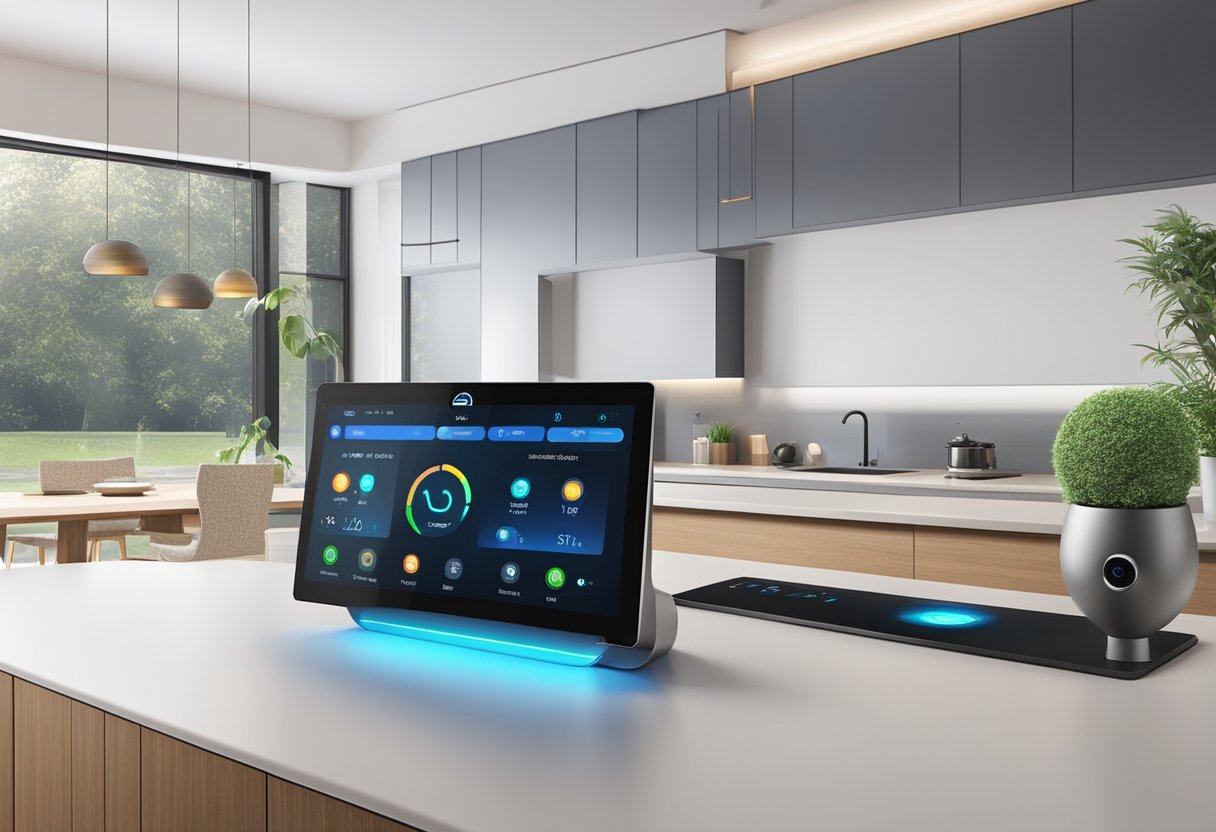
One of the main benefits of smart displays is that they allow for hands-free control of smart home devices. Users can simply speak commands to their voice assistant and have it execute tasks such as turning off lights or adjusting the temperature. Additionally, smart displays often come equipped with cameras and microphones that allow for video calling and voice communication with other users in the home. This feature can be particularly useful for families with young children or elderly relatives who may need assistance with daily tasks.
As the technology behind smart displays continues to evolve, they are becoming more sophisticated and versatile. Some of the latest models feature advanced features such as facial recognition, which can be used to customize the user experience, and spatial audio, which can enhance the listening experience. With so many options available, it's important for homeowners to carefully consider their needs and choose a smart display that meets their specific requirements.
Overview of Smart Displays for Voice Assistants
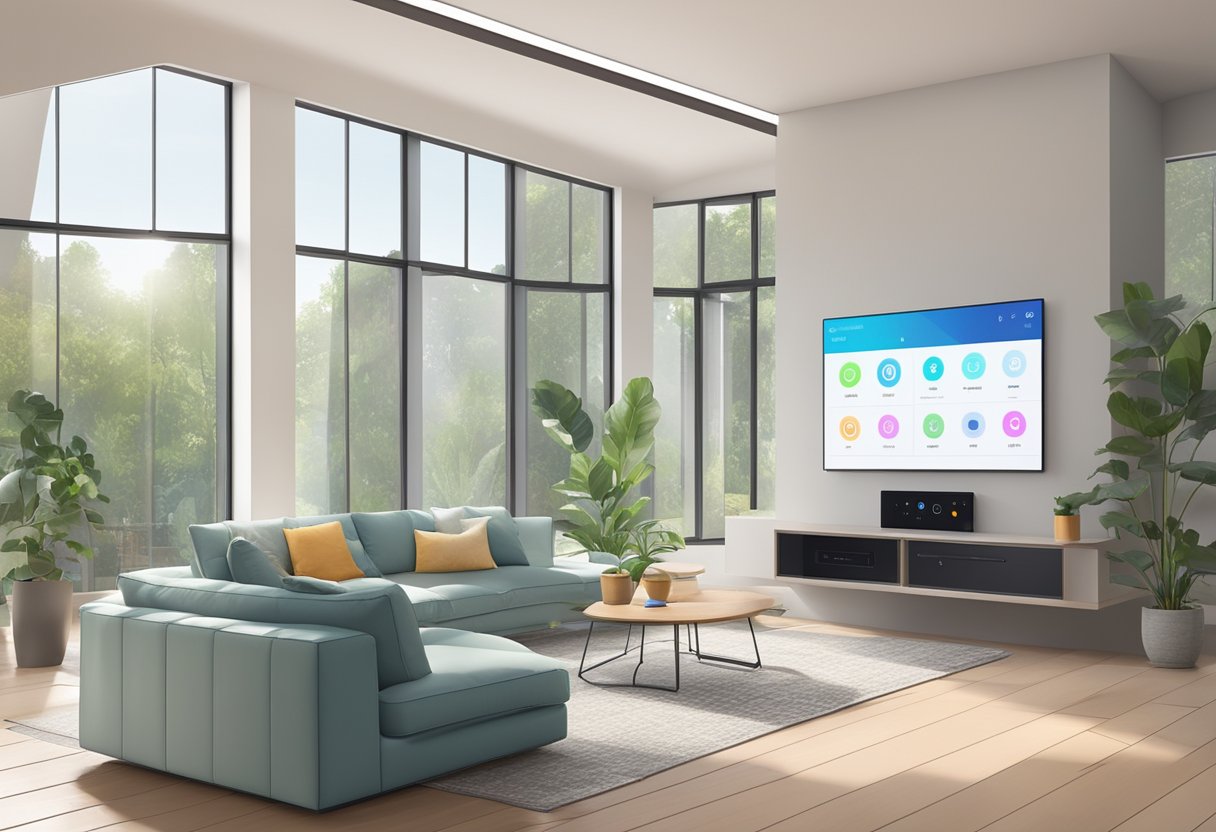
Smart displays are a type of smart home automation device that combines the features of a voice assistant, such as Amazon Alexa or Google Assistant, with a touchscreen display. They allow users to control their smart home devices, check the weather, view their calendar, and even watch videos or make video calls, all with voice commands and visual feedback.
Evolution and Current State
The first smart displays were introduced in 2018, and since then, they have evolved to include larger screens, better speakers, and more advanced features. In 2023, the market for smart displays is expected to grow significantly, with more and more consumers adopting them as a central hub for their smart homes.
Smart displays are becoming increasingly popular because they offer a more visual and interactive experience than traditional voice assistants. They allow users to see and interact with information in a more intuitive way, making them ideal for tasks that require both voice and visual feedback.
Key Players and Products
The key players in the smart display market include Amazon, Google, and Lenovo. Amazon's Echo Show and Google's Nest Hub are two of the most popular smart displays on the market, offering a range of features and integrations with other smart home devices.
Lenovo's Smart Display is also a popular option, offering a larger screen and better audio quality than many of its competitors. Other notable smart displays include the Facebook Portal and the JBL Link View.
Smart displays are an important part of any smart home automation system, offering a more intuitive and interactive way to control and manage smart home devices. As the market for smart displays continues to grow, we can expect to see even more advanced features and integrations in the future.
Role of Central Controllers in Smarthome Automation
Importance of Central Controllers
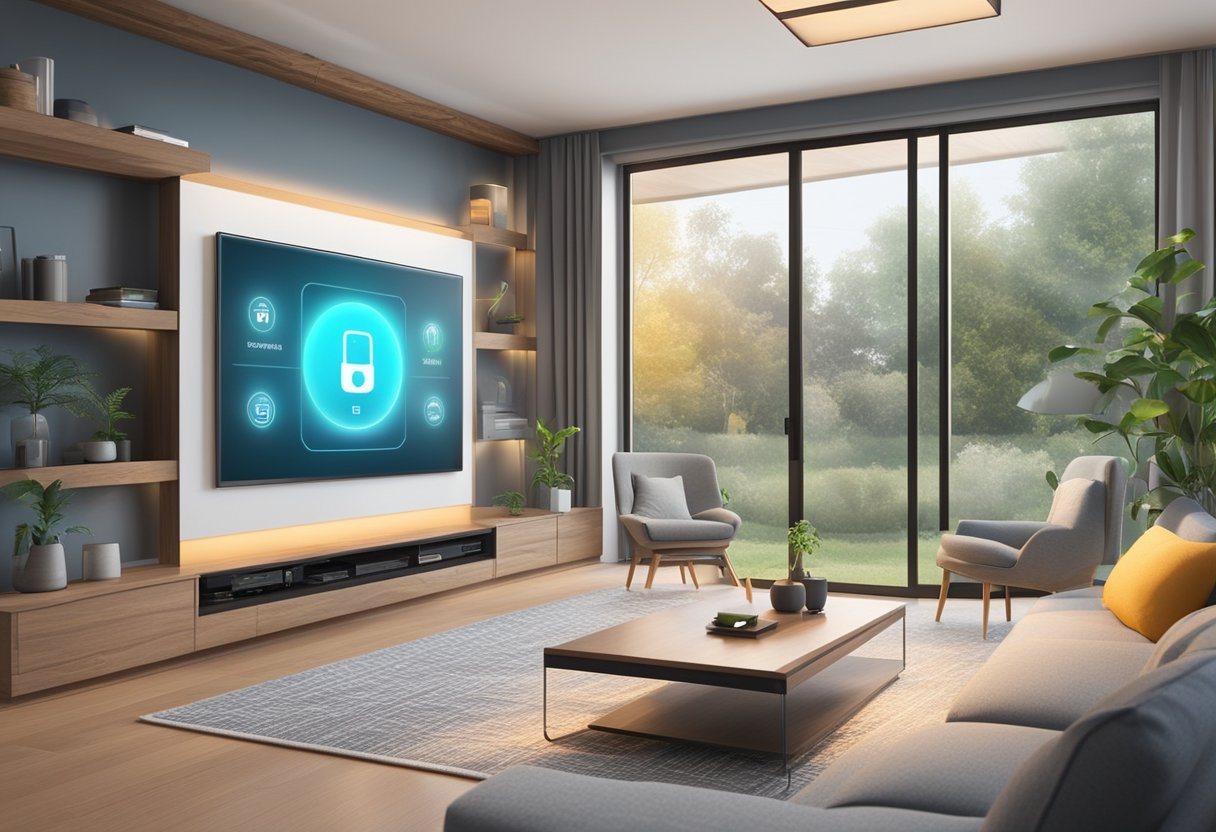
Central controllers play a crucial role in smarthome automation systems. They act as the brain of the system, enabling all the devices in the home to communicate with each other. With a central controller, homeowners can easily manage all the devices in their home from a single location, eliminating the need for multiple apps and interfaces.
Central controllers also provide a layer of security by enabling homeowners to monitor and control their devices remotely. This means that if they forget to turn off a device or lock a door, they can do so from their phone or computer, ensuring that their home is always secure.
Integration with Voice Assistants
Central controllers can also be integrated with voice assistants, such as Amazon Alexa and Google Assistant, to provide even greater convenience. With voice control, homeowners can simply speak to their devices to control them, without the need for a physical interface.
Voice assistants can be used to control a wide range of devices, including lights, thermostats, and security systems. This makes it easy for homeowners to manage their home, even if they are busy or have their hands full.
Overall, central controllers are an essential component of any smarthome automation system. They provide a convenient and secure way for homeowners to manage their devices, and can be integrated with voice assistants for even greater convenience.
Challenges and Solutions in Integration
Common Issues
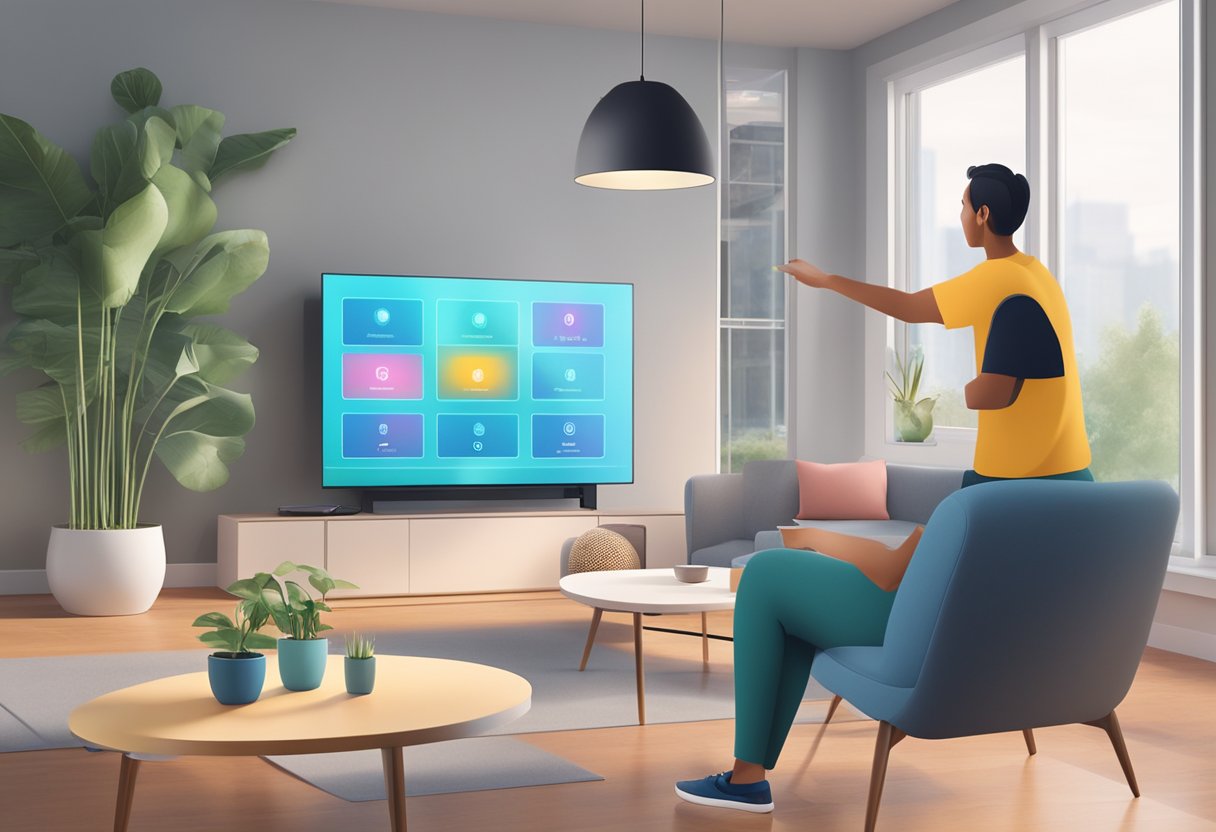
Integrating smart displays with voice assistants and central controllers is not without its challenges. Here are some of the common issues that users may encounter:
- Compatibility issues: Some smart displays may not be compatible with all voice assistants and central controllers. This can limit the functionality of the smart display and make it harder to use.
- Connectivity issues: Smart displays rely on a stable internet connection to function properly. If the connection is weak or unstable, the smart display may not work as expected.
- Privacy concerns: Smart displays are always listening for voice commands, which can raise privacy concerns among users. Some users may be uncomfortable with the idea of a device constantly monitoring their conversations.
- Complexity: Smart displays can be complex to set up and use, especially for users who are not tech-savvy. This can lead to frustration and confusion.
Innovative Solutions
Despite these challenges, there are a number of innovative solutions that can help users integrate smart displays with voice assistants and central controllers more effectively. Here are some examples:
- Voice recognition technology: Some smart displays use advanced voice recognition technology to distinguish between different users and respond to their commands. This can help address privacy concerns and make the device more user-friendly.
- Compatibility testing: Smart display manufacturers can test their devices with a range of voice assistants and central controllers to ensure compatibility and improve functionality.
- Intuitive interfaces: Some smart displays feature intuitive interfaces that make them easier to use, even for users who are not tech-savvy. This can help reduce frustration and improve the user experience.
- Smart home automation platforms: Some smart home automation platforms offer integrated solutions that allow users to control their smart displays, voice assistants, and central controllers from a single interface. This can simplify the setup and management of smart home automation systems.
Overall, while there are certainly challenges involved in integrating smart displays with voice assistants and central controllers, there are also a range of innovative solutions that can help users overcome these challenges and enjoy the benefits of a fully integrated smart home automation system.
Future Trends and Predictions
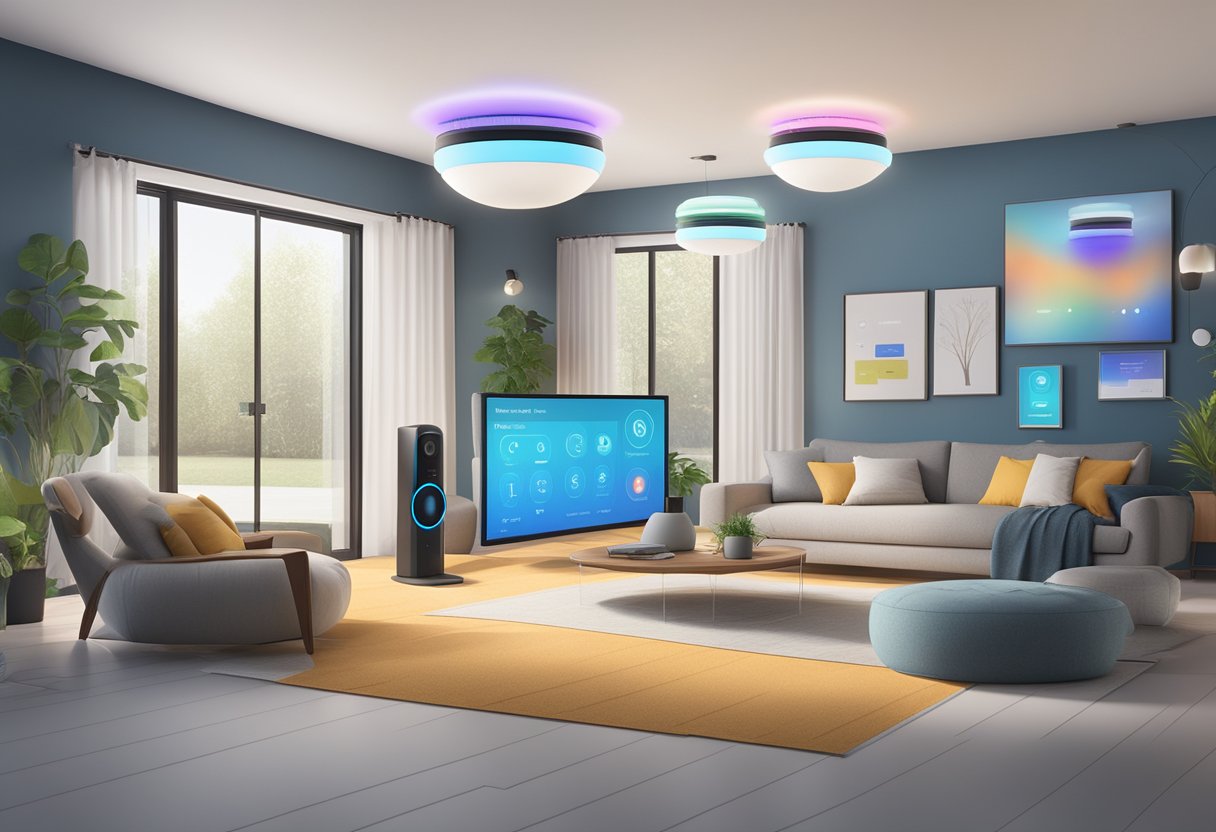
As the demand for smart displays continues to rise, industry experts predict that the future of voice assistants and central controllers in smart home automation systems will be heavily influenced by the following trends:
Increased Integration with Other Smart Devices
One of the most significant trends in the future of smart displays is the integration of voice assistants with other smart devices. This integration will allow smart displays to act as a central hub for controlling all smart devices in the home, including lights, thermostats, and security systems. This integration will also enable smart displays to provide more personalized and context-aware responses to voice commands.
Enhanced Privacy and Security Features
As smart displays become more ubiquitous in homes, privacy and security concerns are becoming increasingly important. To address these concerns, industry experts predict that future smart displays will come equipped with enhanced privacy and security features, such as facial recognition and voice recognition technology, to ensure that only authorized users can access the device.
Improved User Experience
Another trend in the future of smart displays is the continued focus on improving the user experience. This will involve the development of more intuitive and user-friendly interfaces, as well as the integration of advanced features such as augmented reality and virtual assistants. These features will allow users to interact with their smart displays in more natural and intuitive ways, making the overall experience more enjoyable and efficient.
Expansion of Smart Display Capabilities
Finally, as the technology behind smart displays continues to evolve, industry experts predict that these devices will become even more capable in the future. This will include the development of new features such as advanced voice recognition, more accurate natural language processing, and improved machine learning algorithms. These advancements will enable smart displays to provide more personalized and context-aware responses to voice commands, making them an even more integral part of smart home automation systems.
RELATED POSTS:
Amazon Alexa.The ultimate voice assistance and central control

No comments:
Post a Comment