

Smart home automation systems have been gaining popularity in recent years, and with good reason. These systems offer a wide range of benefits, from increased security to more efficient energy usage. One of the key components of a smart home automation system is smart switches and dimmers for lightning control solutions.

Smart switches and dimmers allow homeowners to control their lighting remotely, either through a mobile app or voice commands. This means that they can turn lights on and off, adjust the brightness, and even set schedules for their lights to turn on and off automatically. This level of control not only makes it more convenient to manage lighting, but it can also help homeowners save money on their energy bills by ensuring that lights are only on when they need to be.
There are many different types of smart switches and dimmers available on the market, each with its own set of features and benefits. Some are designed to work with specific smart home automation systems, while others are more universal in their compatibility. It's important for homeowners to do their research and choose the smart switches and dimmers that will best meet their needs and work seamlessly with their existing smart home automation system.
Understanding Smart Switches and Dimmers

Smart switches and dimmers are essential components of any smart home automation system. These devices allow homeowners to control their home lighting with just a touch of a button or even with voice commands. Smart switches and dimmers can be controlled using a smartphone app, a voice assistant, or even a physical switch.
Smart switches are a replacement for traditional built-in switches on the wall. They work by sending wireless signals through the home Wi-Fi or mesh network to control the connected lights. Smart switches can be programmed to turn lights on or off at specific times or when certain conditions are met.
Dimmer switches, on the other hand, allow homeowners to adjust the brightness of their lights. They work by reducing the amount of electricity flowing to the light bulb, which in turn reduces the brightness of the light. With smart dimmer switches, homeowners can adjust the brightness of their lights using a smartphone app or voice assistant, making it easy to set the perfect ambiance for any occasion.
One of the main benefits of smart switches and dimmers is their ability to save energy. By programming lights to turn off when not in use or reducing the brightness of lights when they are not needed, homeowners can save money on their electricity bills. Additionally, smart switches and dimmers can be used to create lighting scenes, which can be used to set the mood for different activities such as movie nights or dinner parties.
When choosing a smart switch or dimmer, there are a few factors to consider. Homeowners should ensure that the switch or dimmer is compatible with their home's wiring and the type of light bulbs they are using. They should also consider the features offered by the switch or dimmer, such as voice control, app control, and energy monitoring.
Overall, smart switches and dimmers are an essential component of any smart home automation system. They offer homeowners convenience, energy savings, and the ability to set the perfect ambiance for any occasion.
Application of Smart Switches and Dimmers in Home Automation Systems

Smart switches and dimmers are becoming increasingly popular in home automation systems. They offer a range of benefits that make them an attractive option for homeowners looking to upgrade their lighting control solutions. In this section, we will explore some of the key applications of smart switches and dimmers in home automation systems.
Energy Efficiency
One of the primary benefits of smart switches and dimmers is their ability to improve energy efficiency. By allowing homeowners to control the brightness of their lights, they can reduce energy consumption and save on electricity bills. Smart switches and dimmers can also be programmed to turn lights on and off automatically, ensuring that lights are not left on unnecessarily.
Convenience
Smart switches and dimmers offer a high level of convenience for homeowners. They can be controlled using a smartphone or tablet, allowing homeowners to turn lights on and off from anywhere in the house. They can also be programmed to turn lights on and off at specific times, making it easy to create a lighting schedule that suits their lifestyle.
Security
Smart switches and dimmers can also improve home security. They can be programmed to turn lights on and off automatically, giving the impression that someone is home even when the house is empty. This can help to deter burglars and improve overall home security.
In summary, smart switches and dimmers offer a range of benefits for homeowners looking to upgrade their lighting control solutions. They improve energy efficiency, offer convenience, and can improve home security. With their range of features and benefits, they are an attractive option for any homeowner looking to upgrade their home automation system.
Choosing the Right Smart Switches and Dimmers
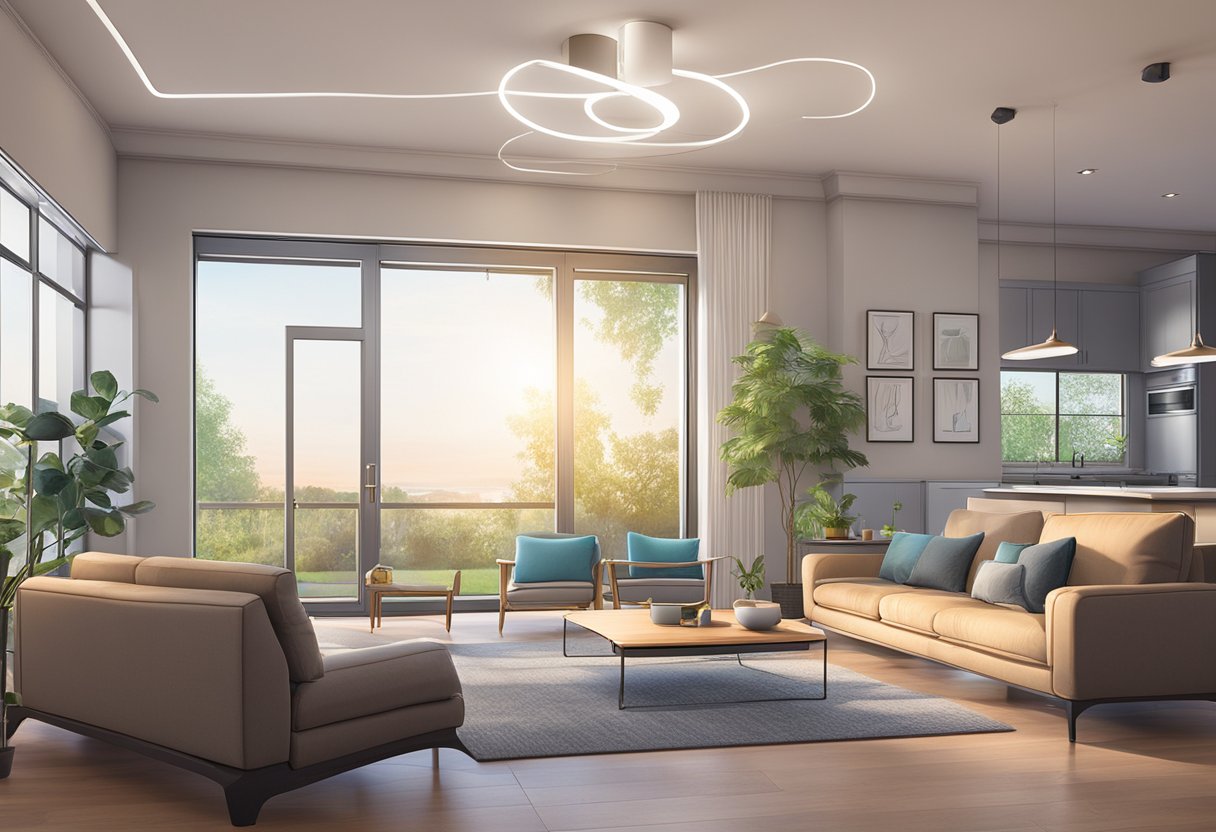
Smart switches and dimmers are an essential part of a smart home automation system. They allow you to control your home's lighting with ease, using your smartphone, voice commands, or even automation routines. However, with so many options available on the market, it can be challenging to choose the right one for your needs. In this section, we'll take a closer look at some of the factors you should consider when choosing a smart switch or dimmer.
Compatibility
One of the most critical factors to consider when choosing a smart switch or dimmer is compatibility. Smart switches and dimmers use different communication protocols, such as Wi-Fi, Z-Wave, Zigbee, or Bluetooth. Therefore, it's crucial to ensure that the switch or dimmer you choose is compatible with your smart home automation system. For example, if you use Amazon Alexa, you'll want to choose a switch or dimmer that works with Alexa. Similarly, if you use Apple HomeKit, you'll want to choose a switch or dimmer that works with HomeKit.
Installation
Another factor to consider when choosing a smart switch or dimmer is installation. Some smart switches and dimmers require a neutral wire, while others don't. Some switches require a professional electrician to install them, while others are easy enough for a DIY enthusiast to install. Therefore, it's essential to choose a switch or dimmer that matches your installation skills and requirements.
Budget
Smart switches and dimmers come in different price ranges, from budget-friendly options to high-end models. Therefore, it's essential to consider your budget when choosing a switch or dimmer. However, keep in mind that the cheapest option may not always be the best option. It's better to invest in a high-quality switch or dimmer that will last longer and provide better performance.
In conclusion, choosing the right smart switch or dimmer requires careful consideration of compatibility, installation, and budget. By keeping these factors in mind, you can find a switch or dimmer that meets your needs and enhances your smart home automation system.
Future Trends in Smart Lighting Control
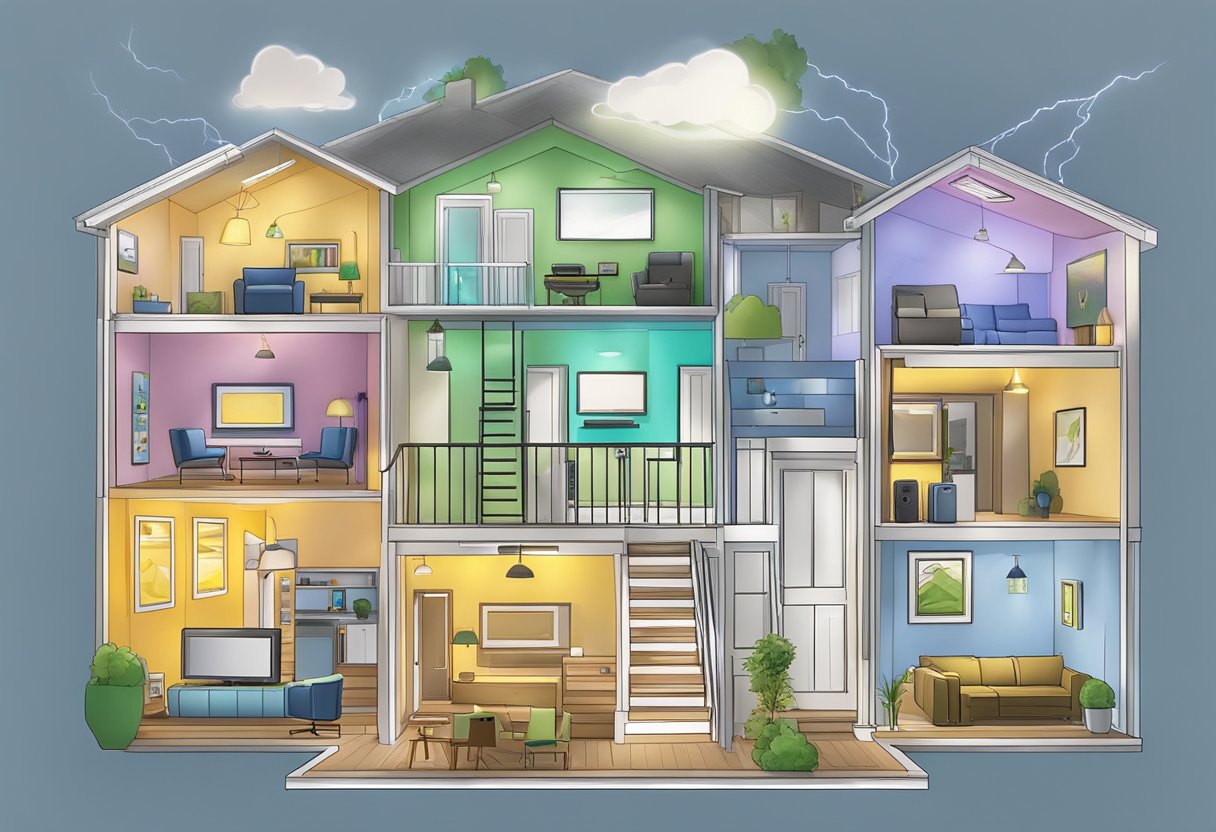
As smart home technology continues to evolve, so does the demand for more advanced and intuitive lighting control solutions. Here are some of the future trends in smart lighting control that are likely to become more prevalent in the coming years:
Voice Control
Voice control is already a popular feature of many smart home systems, and it's likely to become even more prevalent in the realm of lighting control. With voice-activated assistants like Amazon Alexa and Google Assistant, users can easily turn lights on and off, adjust brightness levels, and even change the color of their lighting with simple voice commands.
Gesture Control
Gesture control is another emerging trend in smart lighting control. With this technology, users can control their lighting simply by waving their hands or making other simple gestures. This can be especially useful in situations where users have their hands full or are otherwise unable to physically interact with their lighting controls.
Energy Efficiency
As energy costs continue to rise, energy efficiency is becoming an increasingly important consideration for smart lighting control solutions. Many smart switches and dimmers now feature advanced energy monitoring capabilities that allow users to track their energy usage and make adjustments to their lighting settings accordingly.
Integration with Other Smart Home Systems
Finally, integration with other smart home systems is likely to become more prevalent in the realm of smart lighting control. For example, some smart lighting systems can now be integrated with smart thermostats, allowing users to adjust their lighting settings based on the temperature in their home. Similarly, integration with smart security systems can allow users to set their lights to turn on automatically when they leave their home, providing an added layer of security.
RELATED POSTS:
SmartBulbs:The ultimate lightning control solution for smart home
No comments:
Post a Comment