
Smart thermostats have become increasingly popular in recent years as more and more households are adopting smart home automation systems. These devices are designed to provide homeowners with greater control over their home's climate and energy management, allowing them to save money on their utility bills and reduce their carbon footprint.
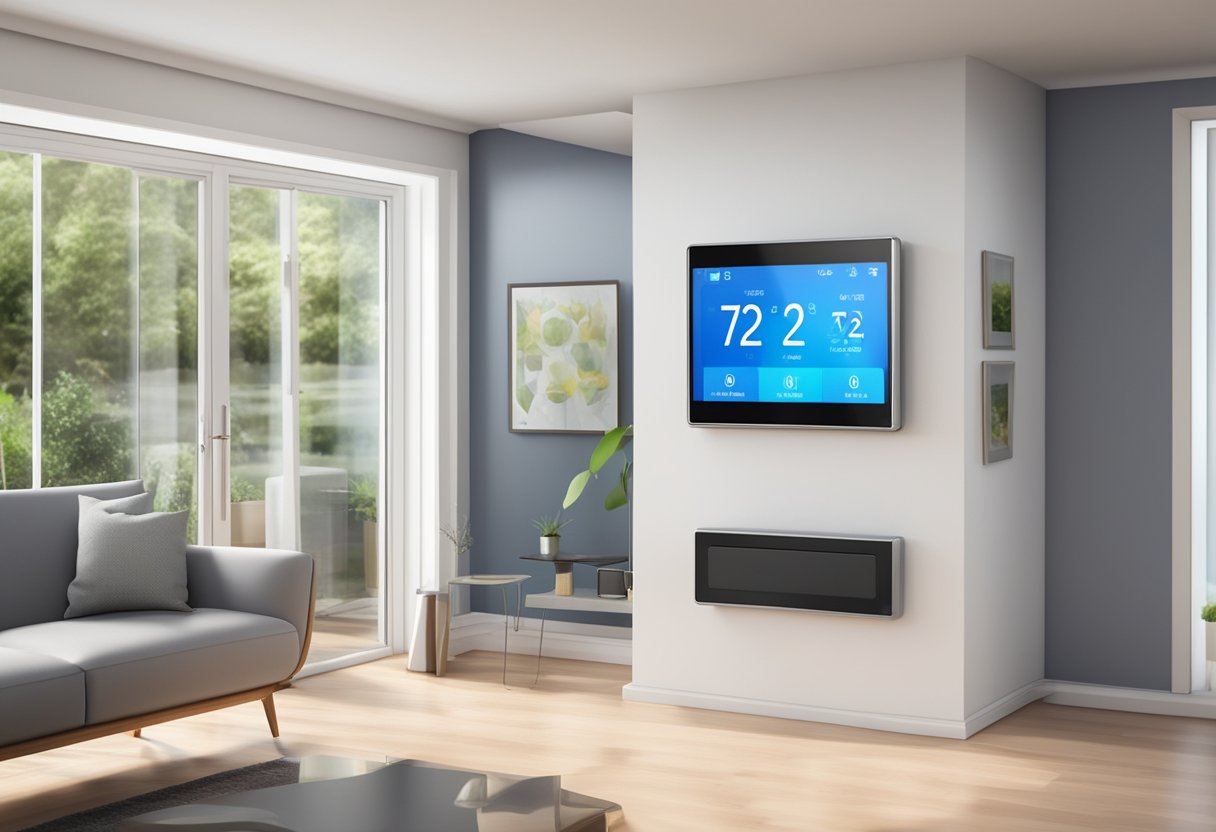
One of the primary advantages of smart thermostats is their ability to save energy and reduce utility bills. According to a study conducted by the Environmental Protection Agency, homeowners can save up to 10% on heating and cooling costs by simply using a programmable thermostat. Smart thermostats take this a step further by learning the homeowner's habits, preferences, and schedule, and adjusting the temperature accordingly. This means that the homeowner can enjoy a comfortable living environment while minimizing energy waste and reducing their carbon footprint.
Smart thermostats are also highly versatile and can be integrated with other smart home automation systems. For example, they can be linked to smart lighting systems, smart blinds, and smart security systems, allowing homeowners to create a fully automated and energy-efficient living environment. With the rise of the Internet of Things (IoT), smart thermostats are becoming an increasingly important component of the modern smart home.
Smart Thermostats: The Heart of Climate and Energy Management
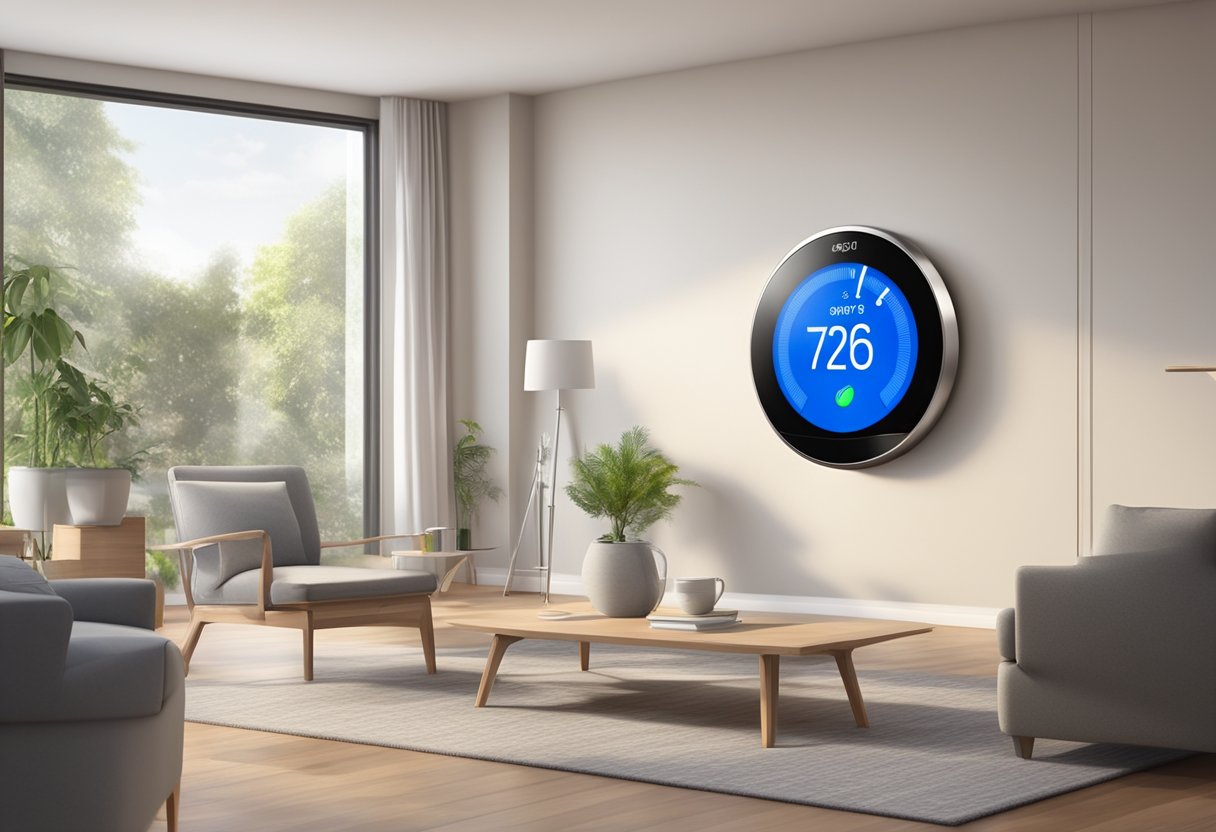
Smart thermostats are an essential component of climate and energy management in smart home automation systems. They provide homeowners with the ability to remotely control and monitor the temperature of their homes using their smartphones or voice-activated assistants.
Understanding How Smart Thermostats Work
Smart thermostats work by connecting to a home's Wi-Fi network and communicating with a mobile app or other smart home devices. They use sensors to detect changes in temperature and adjust heating and cooling accordingly. Some smart thermostats also use machine learning algorithms to learn a homeowner's schedule and preferences, automatically adjusting the temperature to maximize energy efficiency and comfort.
Energy Efficiency and Climate Control Capabilities
One of the primary benefits of smart thermostats is their ability to improve energy efficiency and climate control. By using sensors and machine learning algorithms, smart thermostats can optimize heating and cooling to reduce energy waste and lower utility bills. Some smart thermostats also offer features like geofencing, which uses a homeowner's smartphone location to automatically adjust the temperature when they leave or return home.
Integration with Other Home Automation Systems
Smart thermostats can also integrate with other home automation systems, such as smart lighting and security systems. This integration allows homeowners to create custom scenes that adjust the temperature, lighting, and security settings based on their preferences and schedule. For example, a homeowner could create a scene that turns off the lights and adjusts the temperature when they leave for work in the morning.
Overall, smart thermostats are a crucial component of climate and energy management in smart home automation systems. They offer homeowners the ability to remotely control and monitor their home's temperature, improve energy efficiency and climate control, and integrate with other home automation systems to create custom scenes and improve overall comfort and convenience.
Evaluating Smart Thermostats for Your Smart Home
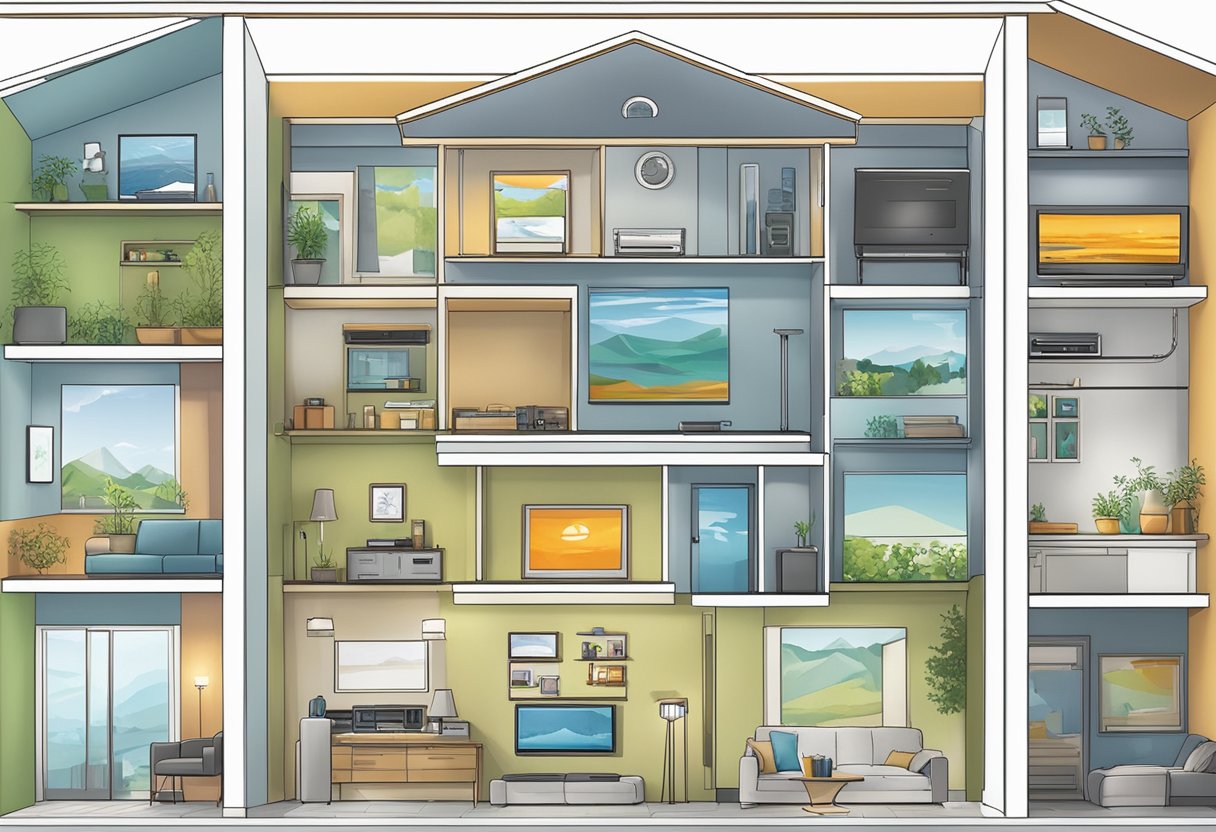
Smart thermostats are an essential component of a smart home automation system. They can help you save money on your energy bills while ensuring that your home is always at the perfect temperature. However, with so many different models and features to choose from, it can be challenging to know which one is right for you. In this section, we'll provide you with some key features to consider, popular smart thermostat models, and installation and maintenance tips to help you evaluate smart thermostats for your smart home.
Key Features to Consider
When evaluating smart thermostats, there are several key features to consider. Here are some of the most important ones:
- Compatibility: Make sure the smart thermostat is compatible with your HVAC system. Not all thermostats work with all systems, so check the manufacturer's website to ensure compatibility.
- Programming: Look for a thermostat that allows you to program a schedule for your heating and cooling needs. This feature can help you save money on your energy bills by only heating or cooling your home when you need it.
- Remote Access: Many smart thermostats allow you to control your home's temperature from your smartphone or tablet. This feature can be convenient if you want to adjust the temperature while you're away from home.
- Learning Capabilities: Some smart thermostats have learning capabilities that allow them to learn your heating and cooling preferences over time. This feature can help you save money on your energy bills by automatically adjusting the temperature to your liking.
- Energy Reports: Look for a thermostat that provides energy reports. These reports can help you track your energy usage and identify areas where you can save money.
Popular Smart Thermostat Models
There are many different smart thermostat models on the market, but here are some of the most popular ones:
- Nest Learning Thermostat: The Nest Learning Thermostat is one of the most popular smart thermostats on the market. It has learning capabilities, remote access, and energy reports.
- Ecobee SmartThermostat with Voice Control: The Ecobee SmartThermostat has a built-in Alexa voice assistant, remote access, and energy reports.
- Honeywell Home T9 Smart Thermostat: The Honeywell Home T9 has learning capabilities, remote access, and energy reports.
Installation and Maintenance Tips
When installing and maintaining your smart thermostat, there are a few tips to keep in mind:
- Read the manual: Make sure to read the manufacturer's manual before installing the thermostat. This will ensure that you install it correctly and avoid any potential issues.
- Check compatibility: Before purchasing a thermostat, check the manufacturer's website to ensure compatibility with your HVAC system.
- Follow safety guidelines: Always follow safety guidelines when installing and maintaining your smart thermostat. This may include turning off the power to your HVAC system before installing the thermostat.
- Regularly clean the thermostat: Dust and debris can accumulate on your thermostat over time, so make sure to clean it regularly with a soft cloth.
By considering these key features, popular models, and installation and maintenance tips, you can evaluate smart thermostats for your smart home and choose the one that's right for you.
RELATED POSTS:
No comments:
Post a Comment