

Smart home automation systems have been gaining popularity in recent years, with homeowners looking for ways to control their homes more efficiently. One area of home automation that has seen significant growth is climate and energy management. Smart vents are one such innovation that can help homeowners manage their home's temperature and airflow more efficiently.

Smart vents are designed to work with a home's existing heating and cooling system. They can be installed in individual rooms, allowing homeowners to control the temperature and airflow in each room independently. By doing so, homeowners can avoid wasting energy on rooms that are not in use and ensure that each room is at a comfortable temperature.
In addition to improving comfort, smart vents can also help homeowners save money on their energy bills. By directing airflow to the rooms that need it most, smart vents can reduce the workload on the heating and cooling system, which can lead to lower energy consumption. Overall, smart vents are a valuable addition to any smart home automation system, providing homeowners with greater control over their home's climate and energy usage.
Smart Vents: Climate and Energy Management
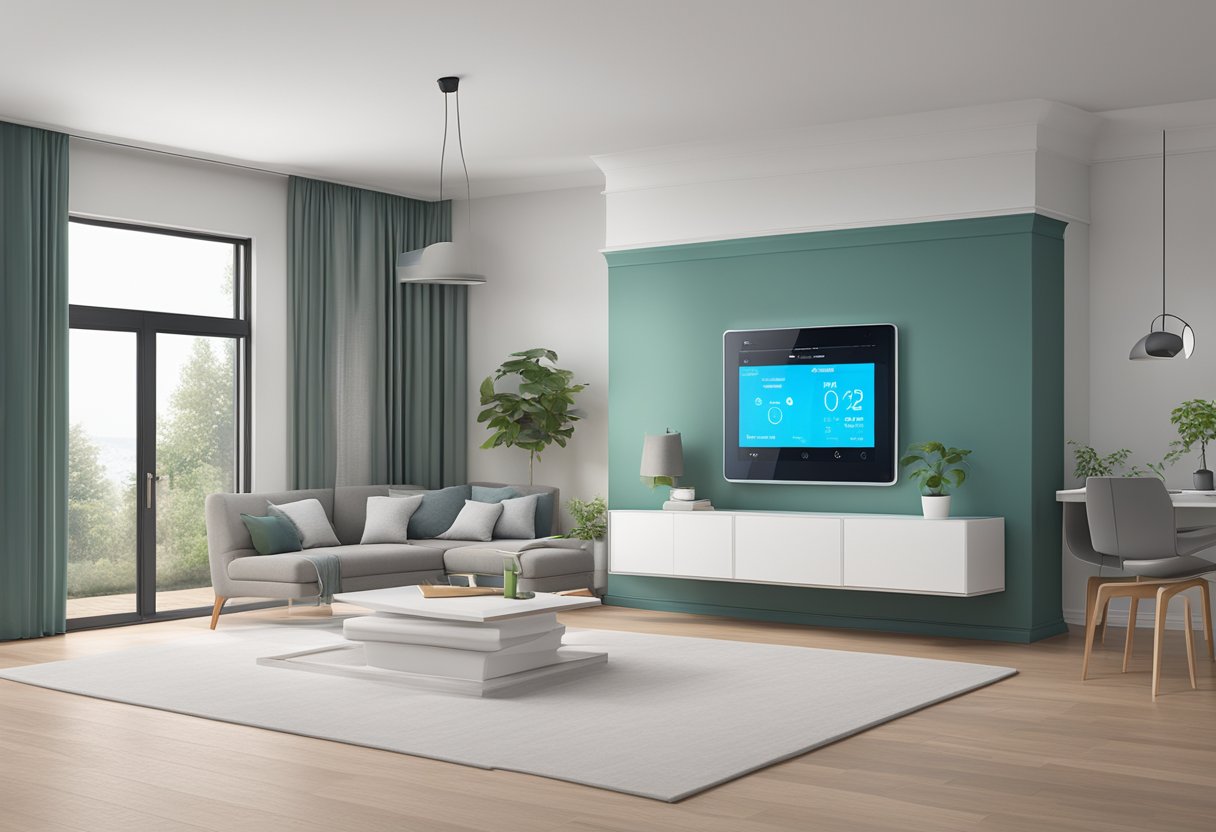
Smart vents are an essential component of a smart home automation system that can efficiently manage energy consumption and climate control. They work by allowing homeowners to regulate the temperature of individual rooms, which can help reduce energy usage and save money on utility bills.
Working Principle of Smart Vents
Smart vents operate by using sensors to detect the temperature and humidity levels in each room. They then adjust the airflow to regulate the temperature and create a comfortable living environment. The vents can be controlled remotely through a smartphone app, allowing homeowners to adjust the temperature from anywhere.
Smart vents can also be integrated with other smart home devices, such as smart thermostats and smart speakers, to create a seamless and efficient climate control system. For example, a smart thermostat can detect when a room is unoccupied and automatically adjust the temperature accordingly, while a smart speaker can be used to control the temperature with voice commands.
Benefits of Smart Vents in Energy Management
Smart vents offer several benefits when it comes to energy management. By regulating the temperature of individual rooms, they can reduce energy usage and save money on utility bills. For example, if a room is unoccupied, the smart vent can close off the airflow to that room, reducing the amount of energy needed to heat or cool it.
Smart vents can also be used to balance the airflow throughout the home, ensuring that each room receives an equal amount of heating or cooling. This can help prevent energy waste and reduce the workload on the HVAC system, extending its lifespan and reducing maintenance costs.
Overall, smart vents are an essential component of a smart home automation system that can help homeowners manage energy consumption and climate control efficiently. By regulating the temperature of individual rooms and balancing the airflow throughout the home, they can reduce energy usage, save money on utility bills, and create a comfortable living environment.
Integration in Smart Home Automation Systems
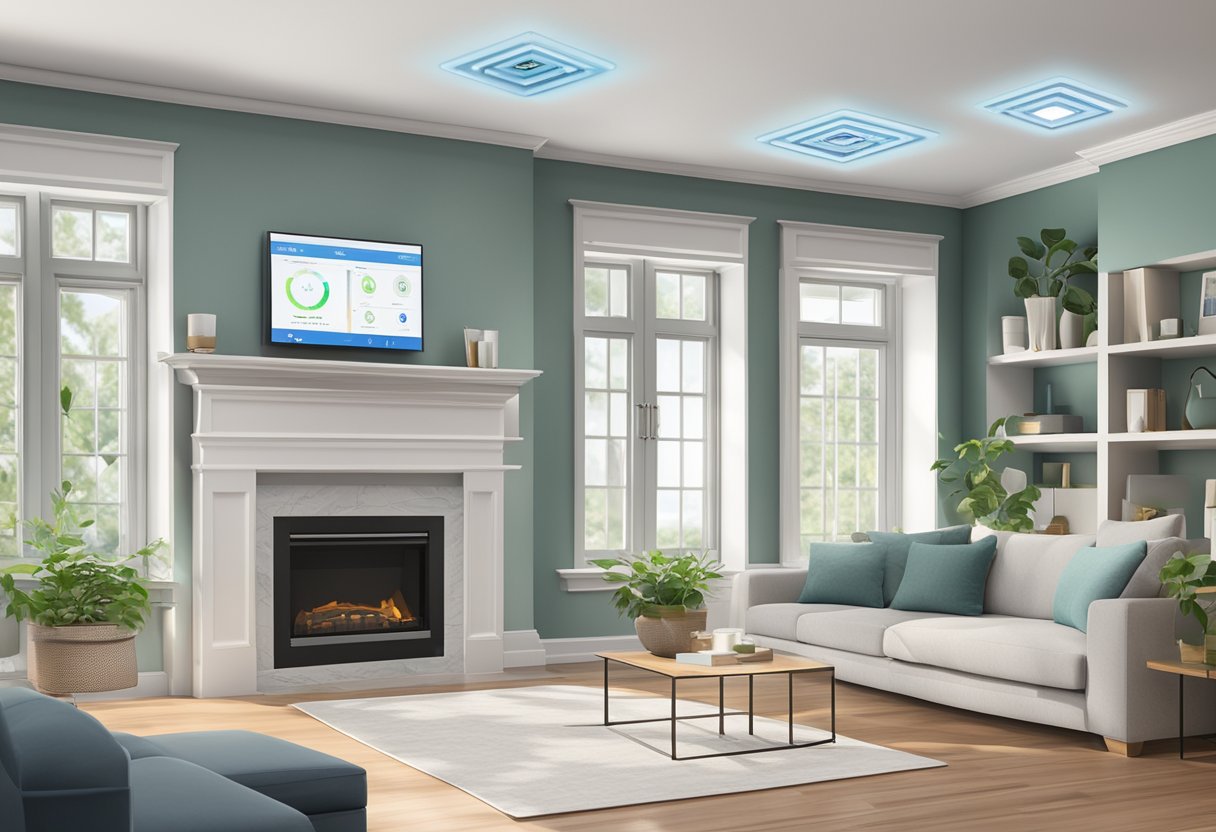
Smart vents are becoming increasingly popular in smart home automation systems. They can be integrated into existing HVAC systems or connected wirelessly to smart home hubs. The integration of smart vents in smart home systems can help optimize energy usage and climate control.
Smart Vents and IoT
Smart vents can be connected to the internet of things (IoT) and controlled remotely through a smart home hub or mobile application. This allows homeowners to adjust the temperature in different rooms or zones of their home from anywhere. Smart vents can also be programmed to adjust the temperature automatically based on the time of day, occupancy, or other factors.
The integration of smart vents with other IoT devices in a smart home can also provide additional benefits. For example, smart thermostats can communicate with smart vents to optimize energy usage and climate control. Sensors can detect when a room is occupied and adjust the temperature accordingly, reducing energy waste.
Challenges and Solutions
One of the challenges of integrating smart vents into a smart home system is ensuring compatibility with existing HVAC systems. Different HVAC systems may have different requirements for airflow and pressure, which can affect the performance of smart vents. Homeowners may need to consult with HVAC professionals to ensure that smart vents are installed correctly and functioning properly.
Another challenge is ensuring that smart vents are communicating effectively with other devices in the smart home system. This requires proper configuration and setup of the smart home hub and related devices. Homeowners may need to troubleshoot issues with connectivity and communication to ensure that smart vents are functioning as intended.
Overall, the integration of smart vents in smart home automation systems can provide significant benefits for energy management and climate control. However, homeowners should be aware of the challenges and considerations involved in integrating smart vents into their existing systems.
RELATED POSTS:
No comments:
Post a Comment