

Automated homes, also known as smart homes, are becoming increasingly popular as technology advances. An automated home is a house that uses technology to control and automate various systems, including lighting, temperature, security, and entertainment. With a tap of a button or a voice command, homeowners can control their homes from anywhere, making their lives more convenient and comfortable.
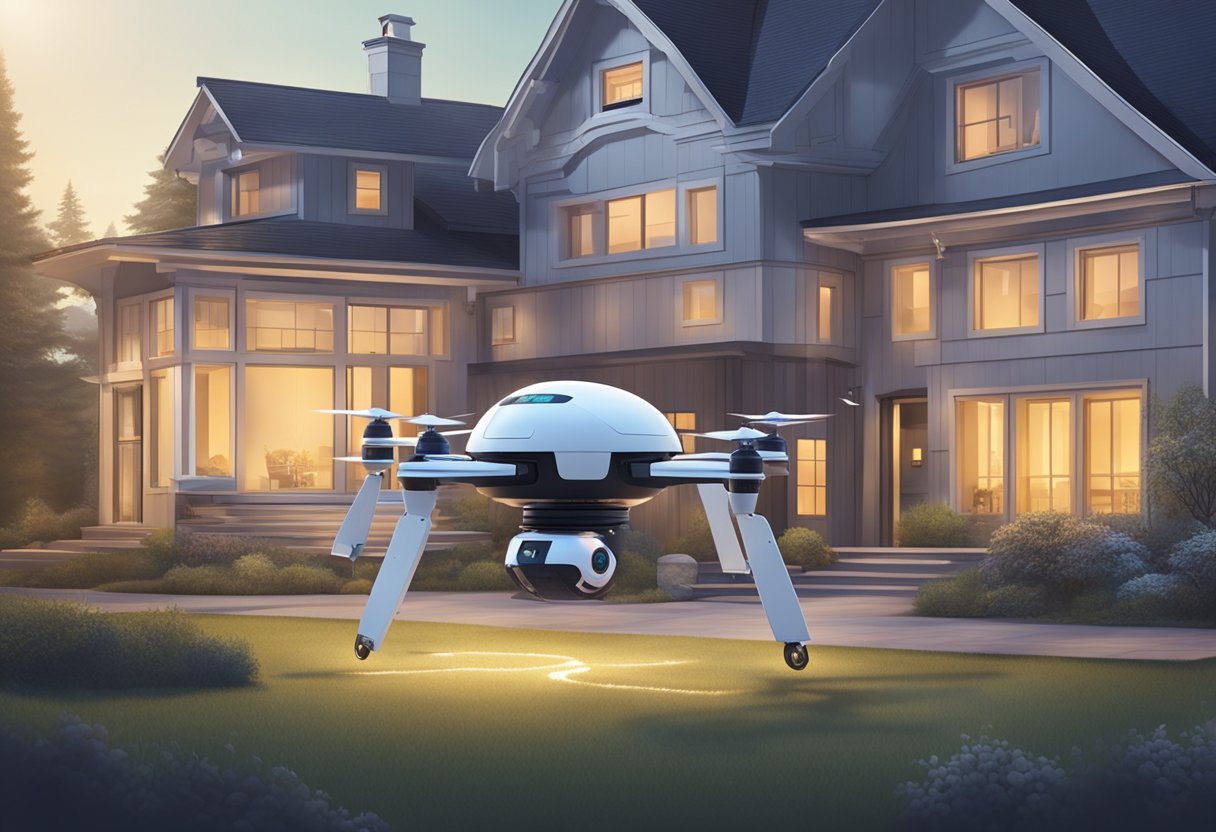
One of the most significant benefits of an automated home is convenience. Homeowners can control their homes from their smartphones or other devices, making it easy to adjust the temperature, turn off lights, or lock doors from anywhere. This feature is especially useful for those who are away from home for extended periods, as they can monitor and control their homes remotely. Additionally, automated homes can save homeowners time and money by automating various tasks, such as turning off lights when they are not in use or adjusting the thermostat to save energy.
Another benefit of automated homes is increased security. Smart home technology allows homeowners to monitor their homes remotely, receive alerts when something is amiss, and even contact emergency services if necessary. Additionally, automated homes can deter burglars and other criminals by automatically turning on lights or sounding alarms when motion is detected. Overall, automated homes offer a range of benefits, from convenience and comfort to increased security and energy savings, making them an attractive option for homeowners looking to upgrade their homes with the latest technology.
Understanding Automated Homes
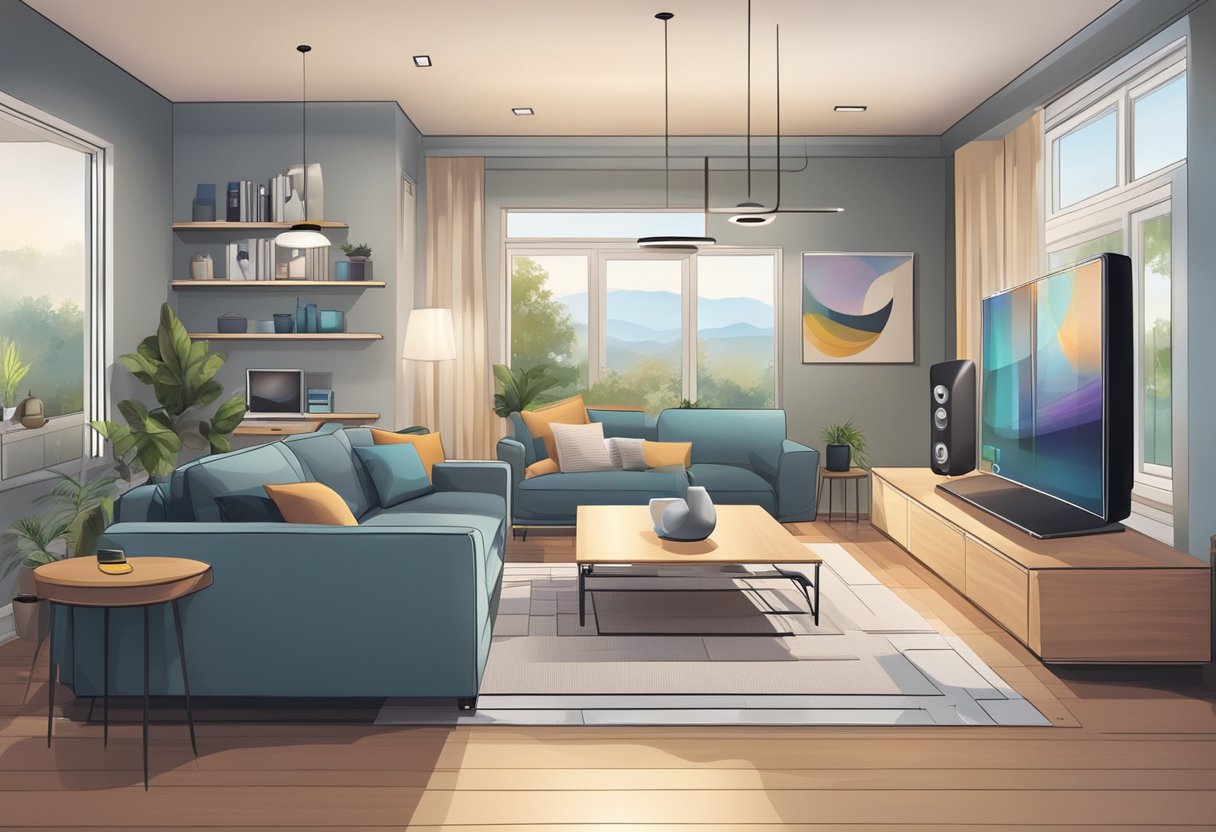
Automated homes, also known as smart homes, are residences equipped with advanced technologies that allow homeowners to remotely control and monitor various aspects of their home. These technologies are designed to work together seamlessly, creating a cohesive and streamlined system that can be customized to meet the unique needs of each homeowner.
The Concept Behind Automation
The concept behind home automation is to simplify and streamline the various tasks and functions that are required to maintain a home. By automating these tasks, homeowners can save time and energy, and enjoy a more comfortable and convenient living environment. Home automation systems use a combination of hardware and software to control various functions in a home, such as lighting, temperature, and security. Advanced sensors, controllers, and communication devices work together to ensure that various parts of the home can interact with each other seamlessly.
Benefits of Home Automation
There are many benefits to home automation, including increased comfort, convenience, and security. With home automation, homeowners can remotely control various aspects of their home, such as lighting and temperature, which can lead to increased comfort and energy savings. Home automation can also provide added convenience, such as the ability to remotely control appliances and other devices. Additionally, home automation can improve home security by providing homeowners with the ability to monitor their home and receive alerts in the event of a security breach.
Potential Drawbacks
While there are many benefits to home automation, there are also some potential drawbacks to consider. One potential drawback is the cost of installing and maintaining a home automation system, which can be significant. Additionally, some homeowners may be concerned about the security and privacy implications of home automation, particularly if the system is connected to the internet. Finally, some homeowners may find that home automation systems are too complicated or difficult to use, which can be frustrating and lead to decreased satisfaction with the system.
In conclusion, home automation systems are becoming increasingly popular among homeowners who are looking to simplify and streamline the various tasks and functions required to maintain a home. While there are many benefits to home automation, there are also some potential drawbacks to consider. Ultimately, the decision to install a home automation system will depend on the unique needs and preferences of each homeowner.
Technologies in Automated Homes

Automated homes are becoming increasingly popular, and with good reason. They offer a range of benefits, from increased convenience to improved energy efficiency. In this section, we'll explore some of the key technologies used in automated homes.
Home Automation Controllers
Home automation controllers are the brains behind an automated home. They allow homeowners to control various aspects of their home, including lighting, temperature, and security, from a single device. There are several types of home automation controllers available, including:
Smart Speakers: Smart speakers, such as Amazon Echo and Google Home, are voice-activated devices that can control various smart devices in the home. They can be used to turn on lights, adjust the temperature, and even lock doors.
Smartphones and Tablets: Many home automation systems come with a mobile app that allows homeowners to control their home from their smartphone or tablet. This allows them to monitor their home from anywhere, at any time.
Dedicated Home Automation Controllers: Dedicated home automation controllers, such as the Control4 Home Controller, are designed specifically for home automation. They offer more advanced features than smart speakers and mobile apps, such as the ability to create custom scenes and schedules.
Smart Devices
Smart devices are the key to an automated home. They include everything from smart thermostats to smart locks to smart appliances. Here are some of the most popular smart devices used in automated homes:
Smart Thermostats: Smart thermostats, such as the Nest Thermostat and the Ecobee Smart Thermostat, allow homeowners to control the temperature of their home from their smartphone or tablet. They can also learn the homeowner's schedule and adjust the temperature accordingly.
Smart Lighting: Smart lighting systems, such as Philips Hue and LIFX, allow homeowners to control the lighting in their home from their smartphone or tablet. They can also be programmed to turn on and off at specific times.
Smart Locks: Smart locks, such as the August Smart Lock and the Schlage Encode Smart WiFi Deadbolt, allow homeowners to lock and unlock their doors from their smartphone or tablet. They can also be programmed to lock and unlock at specific times.
Smart Appliances: Smart appliances, such as smart refrigerators and smart ovens, can be controlled from a smartphone or tablet. They can also be programmed to perform certain tasks automatically, such as preheating the oven or making ice.
Security Systems
Security is a top priority for many homeowners, and automated homes offer several options for enhancing home security. Here are some of the most popular security systems used in automated homes:
Smart Cameras: Smart cameras, such as the Nest Cam and the Arlo Pro, allow homeowners to monitor their home from their smartphone or tablet. They can also be programmed to send alerts when motion is detected.
Smart Doorbells: Smart doorbells, such as the Ring Video Doorbell and the Nest Hello, allow homeowners to see and speak to visitors from their smartphone or tablet. They can also be programmed to send alerts when motion is detected.
Smart Alarms: Smart alarms, such as the Nest Protect and the Ring Alarm, can be controlled from a smartphone or tablet. They can also be programmed to send alerts when smoke or carbon monoxide is detected.
No comments:
Post a Comment